2103 Laurel Bush Rd, Bel Air, MD 21015


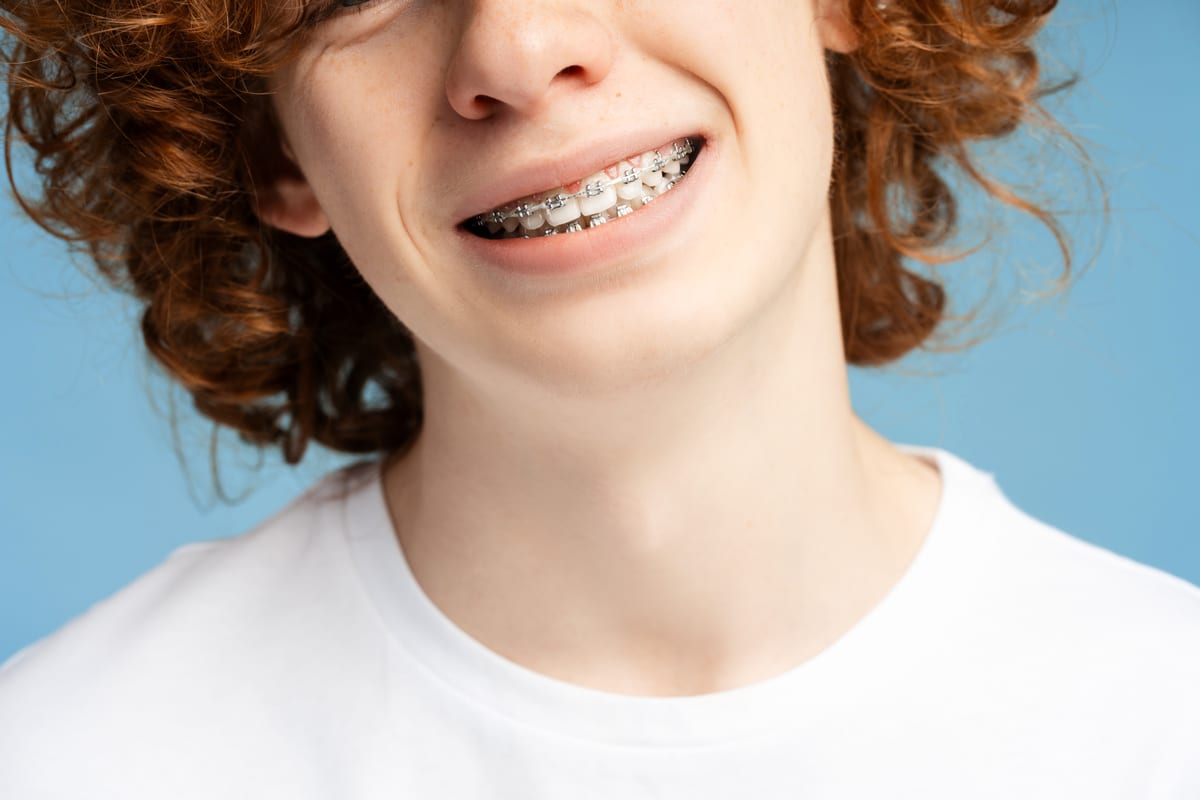
Starting orthodontic treatment can feel overwhelming. Most patients walk into our office with the same worries swirling in their heads. Here at Dr. Joseph Laponzina, DDS, we hear the 5 questions new braces patients ask us most in Bel Air every single week. We want you to feel informed and confident before your first appointment. That starts with honest, straightforward answers.
Whether you are considering traditional braces or exploring Invisalign Bel Air, the questions patients ask are remarkably similar. This guide walks through each one so you know exactly what to expect.
Question 1: Will Braces Actually Hurt?
This is the number one concern we hear from new patients. The honest answer is that some discomfort is normal, especially in the first few days. Your teeth are moving, and your mouth needs time to adjust. That said, most patients describe the sensation as pressure rather than sharp pain.
Over-the-counter pain relievers typically manage any soreness well. Soft foods like yogurt, mashed potatoes, and soup make those early days much easier. The discomfort tends to fade within three to five days after each adjustment appointment.
Here is what most patients tell us afterward: the discomfort was far less than they imagined. Knowing what to expect makes a huge difference in how you experience it.
Question 2: How Long Will I Need to Wear Braces in Bel Air?
Treatment length is one of the 5 questions new braces patients ask us most in Bel Air — and for good reason. Everyone wants to know when they will see their final smile. The honest answer depends on your specific case.
Most patients wear braces for anywhere between 12 and 24 months. More complex alignment issues may take a bit longer. Simpler cases can sometimes wrap up sooner. Dr. LaPonzina gives every patient a personalized timeline estimate after a thorough examination.
A few factors that influence treatment length include:
- The severity of crowding or spacing issues
- Whether any jaw alignment problems need correction
- Your age and how quickly your teeth respond to movement
- How consistently you follow care instructions
Sticking to your scheduled appointments helps keep treatment on track. Skipping adjustments can add weeks or even months to your overall timeline.
Question 3: What Can I Eat — and What Should I Avoid?
Food restrictions catch many new patients off guard. Braces use brackets and wires that can break or bend under certain foods. Protecting your hardware keeps treatment moving smoothly and on schedule.
Foods you should avoid during treatment include:
- Hard candies and ice
- Chewy foods like bagels, gummy bears, and caramel
- Crunchy snacks like chips, popcorn, and hard pretzels
- Whole apples or carrots eaten without cutting them first
- Sticky foods that cling to brackets
The good news is that most of your favorite meals are completely fine. Pasta, rice, eggs, soft fruits, cooked vegetables, and dairy are all safe choices. You adapt quickly once you know the ground rules.
Dr. LaPonzina’s team provides a detailed food guide at your first bonding appointment. You will never feel left guessing about what is safe to eat.
Question 4: How Do I Keep My Teeth Clean With Braces?
Oral hygiene with braces requires a bit more effort than your usual routine. Food particles and plaque love to hide around brackets and under wires. Skipping thorough brushing can lead to white spots or even cavities by the time braces come off.
A few tools make cleaning much easier. Interdental brushes slip between wires to clear out trapped food. Floss threaders help you floss underneath the wire. Some patients prefer a water flosser for a quick and effective clean between teeth and brackets.
Brush after every meal whenever possible. At minimum, brush thoroughly twice a day and floss once daily. Your commitment to hygiene directly affects the quality of your final result.
Our team walks every new patient through a proper brushing demonstration. We want you to leave that first appointment with total confidence in your home care routine.
Question 5: Are Traditional Braces Better Than Invisalign?
Patients ask this question more than almost any other. The truthful answer is that neither option is universally better. Each treatment suits different needs, preferences, and lifestyles. Both can deliver excellent results when the right patient chooses the right treatment.
Traditional braces work exceptionally well for complex cases involving significant crowding, spacing, or bite issues. They are fixed to your teeth, so there is no temptation to skip wearing them. Dr. LaPonzina can use them to address a wide range of orthodontic concerns with precision.
Clear aligners like Invisalign are removable and nearly invisible. Many adults and teens prefer them for lifestyle and aesthetic reasons. They require strong personal discipline since you must wear them 20 to 22 hours per day. Removing them to eat means no food restrictions, which many patients love.
Dr. LaPonzina evaluates each patient individually and recommends the option best suited to their specific smile goals. A consultation gives you all the information you need to make a confident decision.
Starting Braces in Bel Air: What Happens Next?
Now that we have covered the 5 questions new braces patients ask us most in Bel Air, you may be feeling much more prepared. The next step is simply scheduling your first consultation with Dr. LaPonzina. That visit involves a full examination, X-rays if needed, and an honest conversation about your options.
You will leave that appointment with a clear picture of your recommended treatment, expected timeline, and what life will look like during the process. There are no surprises, no pressure, and no rush. We believe informed patients make the best decisions for their own health.
The team at Dr. Joseph Laponzina, DDS takes pride in making every patient feel heard and supported from day one. Bel Air patients trust us because we answer every question with honesty and care. If you have additional questions before your visit, the Contact Bel Air page on our website is the easiest way to reach us directly.
Your best smile is closer than you think. Book Now to schedule your appointment with our team.
Frequently Asked Questions
How much do braces cost in Bel Air, MD?
The cost of braces varies depending on the type of treatment and the complexity of your case. Dr. LaPonzina provides a personalized cost estimate during your initial consultation so you have full transparency before committing to any treatment plan.
At what age should my child start orthodontic treatment?
The American Association of Orthodontists recommends a first orthodontic evaluation by age seven. Early evaluation does not always mean early treatment, but it allows Dr. LaPonzina to monitor development and plan ahead if intervention becomes necessary.
Can adults get braces, or is orthodontic treatment just for teenagers?
Orthodontic treatment is effective at virtually any age. Adults make up a significant portion of our patients here in Bel Air. Healthy teeth can be moved at any point in life, and many adults see excellent results with both traditional braces and clear aligner options.
How often will I need to come in for adjustments?
Most patients visit our office every four to eight weeks for scheduled adjustments. These appointments are typically brief. Regular visits allow Dr. LaPonzina to monitor your progress and make any necessary changes to keep treatment on schedule.
What happens after braces come off?
After your braces are removed, you will wear a retainer to hold your teeth in their new positions. Retainer wear is a critical step in preserving your results long term. Dr. LaPonzina explains the full retention plan at the start of your treatment so there are no surprises at the end.