2103 Laurel Bush Rd, Bel Air, MD 21015


The Appointment You Keep Pushing Back
You noticed it a few weeks ago—a slight shift in your bottom teeth, or maybe a tooth that used to sit flush now overlaps its neighbor just a little. You told yourself you’d call the orthodontist next month. Then next month became “after the holidays.” Then “after soccer season.” Sound familiar?
For a lot of people in Bel Air, putting off an orthodontic consultation or orthodontic treatment feels like a harmless decision. Life is busy, dental work can feel intimidating, and a slightly crooked smile doesn’t hurt—yet. But teeth aren’t static. They’re anchored in living bone and connected to a whole system of muscles, ligaments, and bite forces that shift constantly, whether you’re paying attention or not.
Why “Waiting a Little Longer” Isn’t Always Risk-Free
Here’s the part most people don’t think about: your bite isn’t a fixed photograph. It behaves more like a slow-moving current. Small changes – a tooth drifting a millimeter, a bite shifting slightly out of alignment – can build on each other over months and years.
This doesn’t mean every delay leads to a dental emergency. Plenty of people wait a year, two years, even longer, and their case doesn’t change dramatically. But for some patients, especially those with existing crowding, spacing issues, or a bite that’s already shifting, waiting can allow smaller problems to grow into bigger ones. That uncertainty is exactly why an orthodontic consultation matters – it replaces guesswork with a professional look at what’s actually happening in your mouth, and what waiting might mean for you personally.
What Can Happen When Orthodontic Treatment Gets Delayed
Depending on the individual, postponing treatment can sometimes lead to:
- More noticeable tooth movement as crowded or misaligned teeth continue drifting
- Increased crowding, which can make future adjustments more involved
- Bite changes that affect how your upper and lower teeth meet
- Greater tooth wear on edges that take on more pressure than they’re built for
- A longer or more involved treatment plan, in certain cases
To be clear: this isn’t true for everyone. Some patients wait and see very little change. But because it’s difficult to predict how your bite will move without a professional exam, an early conversation with an orthodontist gives you real answers instead of assumptions.
How an Orthodontic Consultation Helps You Get Ahead of It
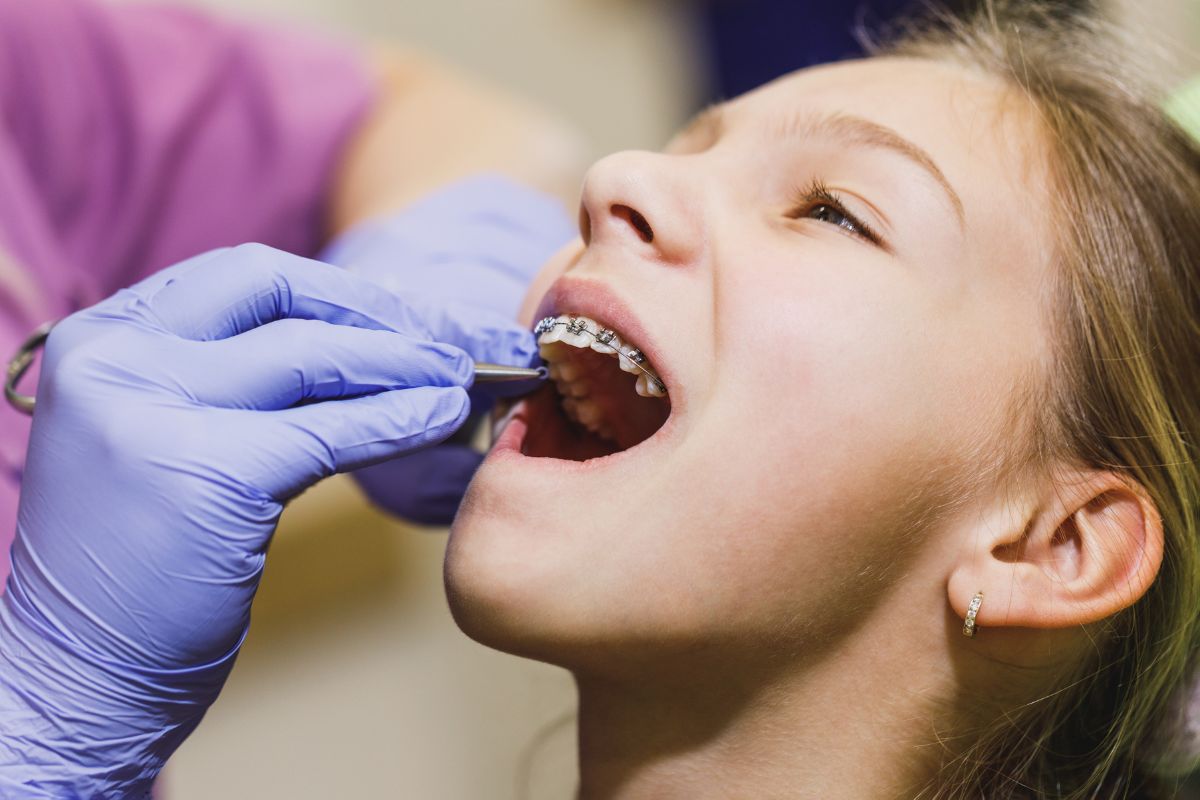
That’s exactly what a consultation with Dr. Joseph LaPonzina Orthodontics in Bel Air is designed to do. During your visit, Dr. Joe and his team take a full look at your bite, tooth alignment, and jaw position, then walk you through what’s realistic for your specific smile.
Depending on your age, goals, and how your teeth are shifting, treatment options may include traditional metal braces, tooth-colored clear ceramic braces, or clear aligners that move teeth gradually and discreetly. There isn’t one “right” answer for every patient – that’s the entire point of a consultation. It gives you a clear picture of your options before you decide anything.
| Did You Know? Teeth can keep shifting throughout life – not just during the teen years. Natural aging, muscle pressure from chewing and speaking, and even wisdom teeth can nudge your bite out of alignment over time. That’s one reason orthodontic needs can change even for adults who wore braces years ago. |
When Orthodontic Treatment Typically Starts
| Category | Typical Timing | Key Consideration |
| Early Evaluation | Around age 7 | Screens for emerging bite or crowding issues |
| Teen Braces | Ages 11–14 | Takes advantage of natural jaw growth |
| Adult Braces | Any age | Addresses shifting, relapse, or untreated crowding |
| Delayed Treatment | Varies by individual | May involve more complex correction depending on bite changes |
Meet Dr. Joseph LaPonzina

With more than 30 years of experience, Dr. Joseph LaPonzina has helped children, teens, and adults achieve healthier, more confident smiles. As a trusted orthodontist in Bel Air, he takes a personalized approach to care, helping every patient understand their treatment options and feel confident in their decisions. Call us to schedule an appointment!
⭐⭐⭐⭐⭐ Michael Drusano
Dr LaPonzina and his staff are simply THE BEST! Their attention to detail and level of care is exceptional.
Signs It May Be Time for an Orthodontic Consultation
- Noticeable shifting or crowding in your front teeth over the past year
- A bite that feels different than it used to when you chew or bite down
- Ongoing jaw tension or soreness that seems tied to how your teeth line up
- A smile you’ve been avoiding in photos or conversations
- It’s been several years since your last orthodontic evaluation
Frequently Asked Questions
1. When should I get braces?
There isn’t one universal answer—it depends on your bite, crowding, and goals. Many orthodontists recommend an initial evaluation around age 7, but teens, adults, and anyone noticing changes in their bite can benefit from a consultation at any time.
2. Is there an ideal age to start orthodontic treatment?
Ages 11 to 14 are common for traditional braces because jaw growth can be used to guide tooth movement. That said, orthodontic treatment works at nearly any age—there’s no strict cutoff for getting started.
3. Can adults still get braces?
Yes. Adult orthodontic treatment is common, whether it’s addressing teeth that shifted after childhood braces, correcting long-standing crowding, or simply improving comfort and function. Options like clear aligners and ceramic braces are popular choices for adult patients.
4. What happens if I wait too long to get braces?
Depending on the individual, waiting can sometimes lead to more crowding, bite changes, or a more involved treatment plan. It doesn’t happen to everyone, which is why a consultation is the clearest way to understand your own situation.
5. Does delaying orthodontic treatment always make things worse?
No. Some patients wait a year or more without significant changes to their bite. Others notice more crowding or shifting in that same window. The difference usually comes down to individual factors, which are best evaluated in person.
6. What’s the difference between clear aligners and traditional braces?
Clear aligners are removable, nearly invisible trays that shift teeth gradually, while traditional braces use fixed brackets and wires for more constant control. Both can be effective—the right choice depends on your bite, lifestyle, and treatment goals.
7. How do I know if my bite has changed?
Common signs include teeth that feel more crowded, a bite that seems to line up differently, new gaps, or jaw soreness. If something feels different from a year ago, it’s worth having it checked.
8. What happens during an orthodontic consultation?
A consultation typically includes a review of your teeth, bite, and jaw alignment, a conversation about your goals, and a walkthrough of realistic treatment options—so you can make an informed decision without any obligation.