2103 Laurel Bush Rd, Bel Air, MD 21015


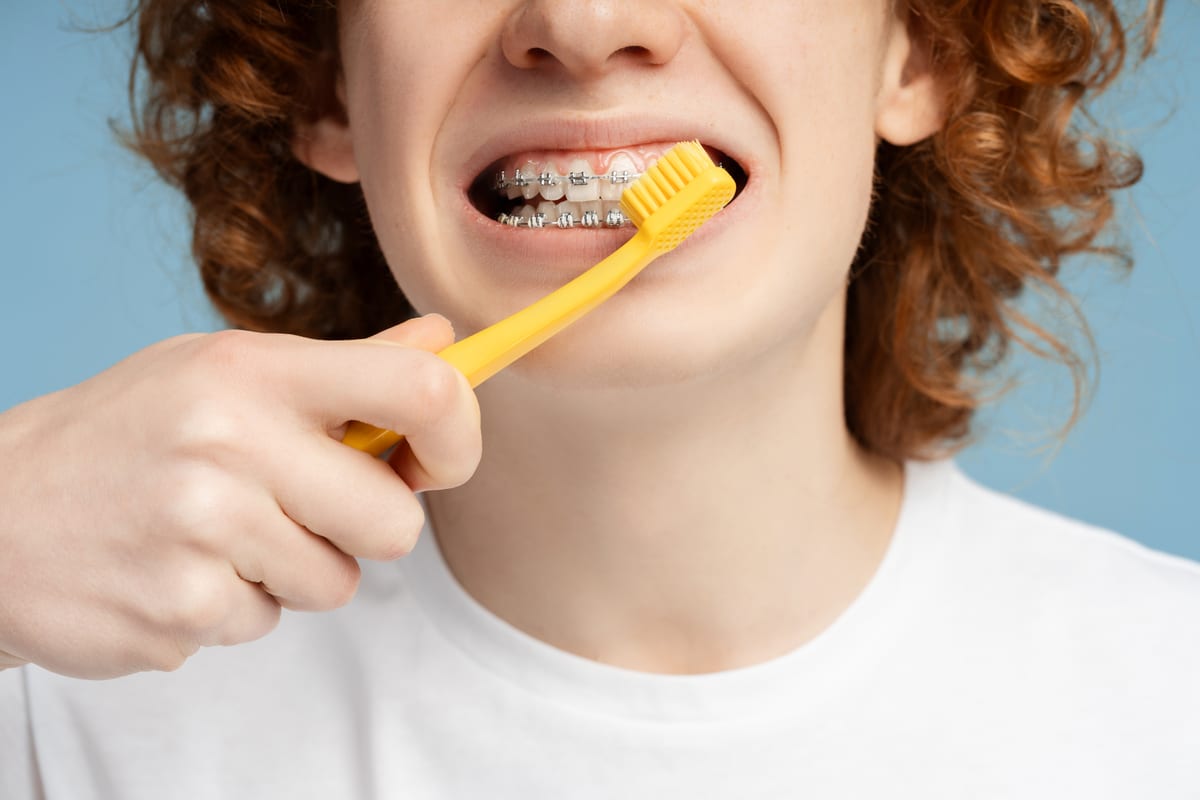
Most people don’t connect crooked teeth to root canals. But the link is real — and it matters. When you think about braces now or root canals later: why prevention matters most in Bel Air, the answer becomes clear. Misaligned teeth create conditions where decay, gum disease, and structural damage quietly build over time. Dr. Joseph LaPonzina helps Bel Air patients understand that orthodontic care is not just about a straight smile — it’s about protecting your long-term oral health.
The Hidden Cost of Doing Nothing
Many patients delay orthodontic treatment because their teeth look fine from the outside. The real damage, however, often happens where you can’t see it. Crowded or misaligned teeth create tight spaces that trap bacteria and food particles. Standard brushing and flossing can’t fully reach those areas.
Over months and years, that trapped bacteria causes decay. Deep cavities can eventually reach the tooth’s nerve. At that point, a root canal becomes necessary — a procedure that is more complex, more time-consuming, and more expensive than braces ever would have been.
Prevention-focused dentistry asks a simple question: would you rather treat the cause now or the consequence later? For most Bel Air patients, the answer is obvious once they understand what’s at stake.
How Misaligned Teeth Increase Your Risk of Serious Problems
Crooked teeth don’t just affect your appearance. They affect function, hygiene, and long-term tooth survival. Here are the most common problems that misalignment causes over time:
- Uneven bite pressure: Misaligned teeth distribute chewing force unevenly. This wears down enamel faster and can crack teeth.
- Gum disease risk: Overlapping teeth are harder to clean. Bacteria builds up along the gumline, leading to inflammation and bone loss.
- Tooth decay in hidden spaces: Crowded teeth leave gaps that a toothbrush cannot reach effectively.
- Jaw pain and TMJ issues: A bad bite puts stress on your jaw joints. This can cause chronic headaches and facial discomfort.
- Tooth loss over time: Gum disease and untreated decay are leading causes of adult tooth loss in the United States.
Each of these outcomes is largely preventable. Correcting alignment early interrupts this chain of events before it becomes serious. That is the core principle behind preventive orthodontic care.
Why Braces Are a Preventive Investment in Bel Air
When patients in Bel Air consider braces, they often focus on aesthetics. That is completely understandable. But Dr. Joseph LaPonzina wants every patient to see the bigger picture. Braces correct alignment, which directly improves your ability to clean your teeth. Better cleaning means less decay. Less decay means fewer fillings, crowns, and root canals.
Braces also help distribute bite pressure evenly across all your teeth. This reduces the risk of cracked teeth and excessive enamel wear. A correctly aligned bite also reduces strain on your jaw joints, helping to prevent TMJ-related pain.
For patients who prefer a discreet option, Invisalign Bel Air offers clear aligner treatment that delivers many of the same preventive benefits. Clear aligners are removable, making it easier to maintain excellent oral hygiene throughout treatment. That alone reduces your risk of developing cavities during the correction process.
Investing in orthodontic treatment now is genuinely less expensive than treating the dental problems that misalignment causes later. The numbers are not close. Root canals, crowns, and implants cost far more than a course of braces or aligners.
What to Expect When You Start Orthodontic Treatment
Taking the first step toward preventive orthodontic care is straightforward. Here is what the process looks like at Dr. Joseph LaPonzina’s Bel Air practice:
- Initial consultation: Dr. LaPonzina examines your teeth, bite, and jaw alignment. He takes X-rays and digital scans to get a complete picture of your oral health.
- Personalized treatment plan: Based on your exam, he recommends the most appropriate treatment — traditional braces or clear aligners. He explains the benefits and timeline clearly.
- Active treatment phase: Whether you choose braces or Invisalign, regular check-in appointments track your progress. Adjustments are made to keep your treatment on schedule.
- Retention phase: After active treatment ends, retainers keep your teeth in their corrected positions. This final step protects your investment for the long term.
The entire process is designed to be comfortable and transparent. Dr. LaPonzina’s team walks you through every step so you always know what to expect. The goal is a healthy, stable outcome — not just a cosmetic one.
Who Benefits Most From Early Orthodontic Care
Orthodontic treatment is beneficial at many life stages. Children, teens, and adults all have strong reasons to consider preventive orthodontic evaluation. The earlier misalignment is identified, the more treatment options are available.
- Children (ages 7–12): Early evaluation can identify developing problems while the jaw is still growing. Some issues are much easier to correct at this stage.
- Teenagers: This is the most common time for orthodontic treatment. The teeth and jaw are developed enough for comprehensive correction.
- Adults: It is never too late to correct alignment. Many adults pursue treatment after experiencing jaw pain, increased cavities, or noticing aesthetic concerns.
No matter your age, correcting misalignment reduces your long-term risk of decay, gum disease, and tooth loss. The preventive value holds true across every patient group. If you are unsure whether treatment is right for you, an evaluation with Dr. LaPonzina is the best place to start. You can reach his team through the Contact Bel Air page for more information.
Taking the Preventive Step in Bel Air
The choice between braces now and root canals later is not really about cosmetics. It is about protecting your teeth, your health, and your quality of life. Every year that misalignment goes uncorrected is another year that decay and wear quietly progress. Dr. Joseph LaPonzina and his Bel Air team are committed to helping patients get ahead of these problems — not just treat them after the fact.
Prevention-focused orthodontic care is one of the smartest decisions you can make for your dental health. It pays dividends for years and even decades after treatment ends. If you are ready to protect your smile before problems develop, Book Now to schedule your appointment with our team.
Frequently Asked Questions
Can misaligned teeth really lead to a root canal?
Yes, they can. Crooked or crowded teeth are harder to clean thoroughly. Bacteria accumulates in tight spaces and causes decay. If decay reaches the inner pulp of the tooth, a root canal becomes necessary to save it. Correcting alignment with braces or aligners significantly reduces this risk.
Is Invisalign as effective as traditional braces for prevention?
For many patients, yes. Invisalign aligners correct bite and alignment issues that contribute to decay and gum disease. Because they are removable, patients can brush and floss without obstruction, which is a significant hygiene advantage. Dr. LaPonzina can help you determine which option is best for your specific needs.
At what age should my child have an orthodontic evaluation?
The American Association of Orthodontists recommends an initial evaluation around age seven. By this age, enough permanent teeth have erupted to identify developing alignment issues. Early detection allows Dr. LaPonzina to plan the most effective and least invasive course of treatment.
How long does orthodontic treatment typically take?
Treatment length varies depending on the complexity of each case. Most patients complete active treatment within 12 to 24 months. Dr. LaPonzina provides a personalized timeline estimate after your initial examination and treatment planning appointment.
Is orthodontic treatment worth it for adults?
Absolutely. Adults who correct misalignment experience real improvements in oral hygiene and bite function. They also reduce their long-term risk of gum disease, tooth decay, and tooth loss. Many adults find the preventive and aesthetic benefits well worth the investment at any age.