2103 Laurel Bush Rd, Bel Air, MD 21015


You spent months, maybe years, keeping every appointment and following every instruction the team at Dr. Joseph LaPonzina Orthodontics gave you. Then came the day the braces finally came off, or the last aligner tray went back in its case for good, and you saw the smile you had worked so hard for. Here is what almost nobody mentions at that appointment: maintaining orthodontic results is a project that starts the moment treatment ends, not a finish line you cross and forget. Teeth sit in living tissue that keeps responding to daily habits for the rest of your life. Skip a few of the right routines, and a smile that took two years to build can start drifting in a matter of months. The encouraging part is that keeping it exactly where it belongs usually comes down to a short list of simple, repeatable habits.
Why Smiles Shift After Treatment Ends
Orthodontic treatment moves teeth by gently reshaping the bone and ligament fibers that hold each tooth in place. Those fibers do not become permanently “set” the day braces come off. They continue remodeling for months, sometimes years, which is exactly why orthodontists build a retention phase into every treatment plan. Teeth that seem perfectly aligned on removal day are still, in a very real sense, settling into their new positions.
The Retainer Gap
The most common reason results slip is what the team jokingly calls the retainer gap: the stretch of weeks after treatment when wear starts slipping from every night, to most nights, to a drawer somewhere. Because the shift happens gradually, many patients do not notice until a checkup reveals the retainer no longer seats the way it used to. By then, some movement has already happened.
What’s Really at Stake When Results Slip
A shifting smile is not only a cosmetic concern. Bite alignment affects how evenly pressure spreads across your teeth when you chew, and even small changes can lead to uneven enamel wear or jaw discomfort over time. Crowding that returns also makes daily brushing and flossing harder, which raises the risk of gum disease and tooth decay in exactly the spots that were hardest to clean before treatment. Protecting your results protects your oral health, not just your smile’s appearance.
Protecting your smile doesn’t end when treatment is complete, and delaying treatment in the first place can create many of the same long-term challenges. If you’re considering orthodontic care or know someone who keeps putting it off, read “What Delaying Braces for One More Year Could Really Cost Your Smile“ to understand how timing can affect both oral health and treatment outcomes.
| Did You Know? Research on orthodontic relapse shows measurable tooth movement can begin within the first few months after retainer wear becomes inconsistent, well before most patients notice any visible change. |
The Hidden Risks of Letting Habits Slide
Skipping the small stuff rarely feels risky in the moment, which is exactly why it catches people off guard. Left unchecked, a few common habits tend to cause most of the trouble orthodontists see at follow-up visits:
- Inconsistent retainer wear allows teeth to drift back toward their original, more crowded positions.
- Chewing ice or hard foods can crack a retainer or, without one, chip enamel that is still adjusting to its new bite.
- Skipping oral hygiene routines lets plaque build up around teeth that are harder to clean when even slightly misaligned, raising the risk of gum disease and tooth decay.
- Missing follow-up visits means small shifts go unnoticed until they require more involved correction.
None of these are dramatic on their own. Together, over a year or two, they are the difference between a smile that looks the same as removal day and one that needs a second round of treatment.
| Retainer Type | Typical Wear Schedule | Best For |
| Clear (Essix-style) | Full-time, then nights only | Teens & adults wanting a discreet fit |
| Hawley (wire & acrylic) | Full-time, then nights only | Patients needing a durable, adjustable option |
| Fixed / bonded | Worn continuously, not removed | Long-term stability behind front teeth |
Building Habits That Protect Your Investment
The good news is that maintaining orthodontic results does not require constant effort. It requires a small set of consistent habits, most of which take less than five minutes a day.
Wear Your Retainer on the Schedule You Were Given
Whether you have a clear retainer, a Hawley retainer, or a fixed wire bonded behind your front teeth, the wear schedule your orthodontist recommends is calibrated to how your specific bite is settling. Sticking to it, even after the excitement of the big reveal wears off, is the single biggest factor in long-term smile maintenance.
Protect Your Retainer and Your Teeth
Store retainers in their case, not a napkin or pocket, and keep them away from heat, which can warp clear plastic. Avoid chewing ice, pens, or fingernails, all of which put unnecessary stress on both natural teeth and retainer material.
Keep Up With Oral Hygiene and Checkups
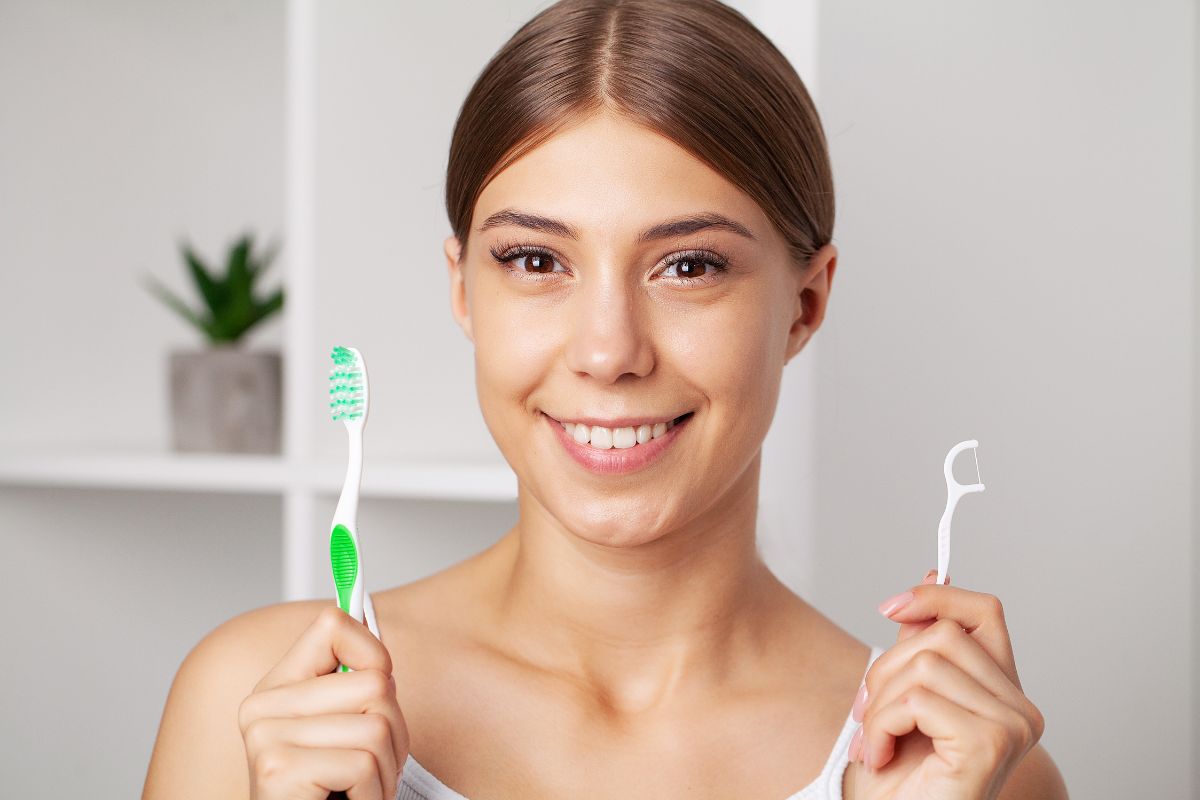
Brushing twice a day, flossing daily, and keeping regular dental cleanings on the calendar all support the oral hygiene that keeps enamel strong and gum disease at bay. Regular orthodontic follow-ups also give the team a chance to catch minor shifts early, long before they turn into a bigger project.
- Wear your retainer every night, without exceptions, unless your orthodontist has told you otherwise.
- Clean your retainer daily with a soft brush and lukewarm water, never hot water.
- Avoid chewing ice, hard candy, and pens to protect both teeth and retainer material.
- Keep up with routine dental cleanings to support gum health around your new smile.
⭐⭐⭐⭐⭐ Michael Drusano | Dr. Joseph Laponzina, DDS
Dr LaPonzina and his staff are simply THE BEST! Their attention to detail and level of care is exceptional.
Continue Exploring Your Smile Options
If you’re still deciding on a treatment path or want to compare options before your next visit, related pages worth exploring include the practice’s braces and orthodontics overview, the Invisalign options page for a removable alternative, and the clear braces page for a more discreet fit. New patients may also find it helpful to meet the doctors and review the practice’s frequently asked questions before their first consultation.
Frequently Asked Questions
1. How long do I need to wear my retainer after braces?
Most patients wear a retainer full-time for the first several months after treatment, then transition to nighttime wear, often for years or even indefinitely. Your orthodontist will recommend a schedule based on how your teeth and bite are settling.
2. Can teeth shift even if I wear my retainer?
Some minor natural movement can occur as your teeth and surrounding tissues continue to settle, but wearing your retainer consistently helps keep those changes minimal and maintains your orthodontic results.
3. What happens if I stop wearing my retainer for a while?
Your teeth may gradually begin drifting toward their original positions, sometimes within just a few months. If your retainer no longer fits, schedule a follow-up appointment to determine whether a replacement retainer or additional treatment is needed.
4. How often should I have my retainer checked?
For most patients, an annual retainer check-up is recommended. During the first year after orthodontic treatment, your orthodontist may suggest more frequent visits to monitor your progress.
5. Do adult patients need retainers as much as teens?
Yes. Teeth can shift at any age, so adults benefit just as much from wearing their retainers consistently to preserve the results of their orthodontic treatment.
6. Can diet affect how well orthodontic results last?
Yes. Frequently chewing hard, sticky, or very chewy foods can damage retainers and place unnecessary stress on your teeth. Making smart food choices helps protect both your retainer and your long-term smile.
7. Is it normal for teeth to feel slightly different years after treatment?
Small changes in bite or tooth sensation can occur over time as part of normal aging and natural settling. If you notice significant changes or discomfort, schedule an evaluation with your orthodontist.
8. When should I schedule a follow-up visit with my orthodontist?
Arrange a follow-up appointment if your retainer feels loose, no longer fits comfortably, or you notice visible tooth movement. Addressing small changes early can help prevent more extensive treatment later.