2103 Laurel Bush Rd, Bel Air, MD 21015


Crooked teeth and bite alignment issues occur when teeth don’t develop or align properly within the jaw. The most common causes of crooked teeth include genetics, early tooth loss, prolonged thumb sucking, jaw size mismatch, and poor oral habits. These issues can affect both appearance and oral health if left untreated.
What Are Crooked Teeth and Bite Alignment Issues?
Crooked teeth refer to teeth that are misaligned, overlapping, rotated, or spaced unevenly. Bite alignment issues (also called malocclusion) occur when the upper and lower teeth do not fit together properly when the mouth is closed.
Common Types of Bite Problems:
- Overbite – Upper teeth overlap the lower teeth too much
- Underbite – Lower teeth extend beyond upper teeth
- Crossbite – Some upper teeth sit inside lower teeth
- Open bite – Upper and lower teeth don’t touch when biting
- Crowding – Not enough space for teeth to align properly
What Causes Crooked Teeth?
Understanding the causes of crooked teeth helps identify early risk factors and prevent worsening alignment problems.
1. Genetics (Most Common Cause)
If parents have misaligned teeth or jaw issues, children are more likely to inherit:
- Small or large jaw size
- Tooth size discrepancies
- Natural crowding or spacing
2. Jaw Size vs. Tooth Size Mismatch
When the jaw is too small for the number of teeth:
- Teeth overlap or twist
- Crowding becomes more severe over time
3. Early Loss of Baby Teeth
Losing baby teeth too early (due to decay or injury) can:
- Cause nearby teeth to shift into empty space
- Block proper eruption of permanent teeth
4. Prolonged Thumb Sucking or Pacifier Use
Habits lasting beyond age 3–4 can:
- Push teeth forward
- Affect jaw growth
- Lead to open bite or protrusion
5. Tongue Thrusting
When the tongue pushes against teeth during swallowing:
- Teeth gradually move out of alignment
- Often contributes to open bite
6. Mouth Breathing
Chronic mouth breathing (often due to allergies or nasal issues) can:
- Alter jaw development
- Lead to long, narrow facial structure
- Increase risk of misalignment
7. Poor Oral Habits
- Nail biting
- Chewing on objects (pens, pencils)
- Teeth grinding (bruxism)
These habits apply pressure that can shift teeth over time.
Why Do Bite Alignment Issues Matter?
Bite problems are not just cosmetic—they can impact overall oral health and daily function.
Key Reasons to Address Bite Issues:
- Difficulty chewing food properly
- Increased risk of tooth wear and fractures
- Jaw pain or clicking (TMJ problems)
- Speech difficulties
- Higher risk of cavities and gum disease
When Do Crooked Teeth and Bite Problems Need Attention?
Signs You Should Not Ignore:
- Teeth visibly overlapping or uneven
- Jaw pain or discomfort while chewing
- Frequent biting of cheeks or tongue
- Difficulty speaking clearly
- Teeth wearing down unevenly
In growing children, early evaluation is important to guide jaw development and prevent more complex issues later. Not all alignment problems are obvious at first. Some early warning signs can develop gradually and go unnoticed without proper evaluation .Read more: Early Signs Your Teeth Might Need Orthodontic Care in Bel Air to understand subtle symptoms and when to seek evaluation.
How Are Crooked Teeth and Bite Issues Evaluated?
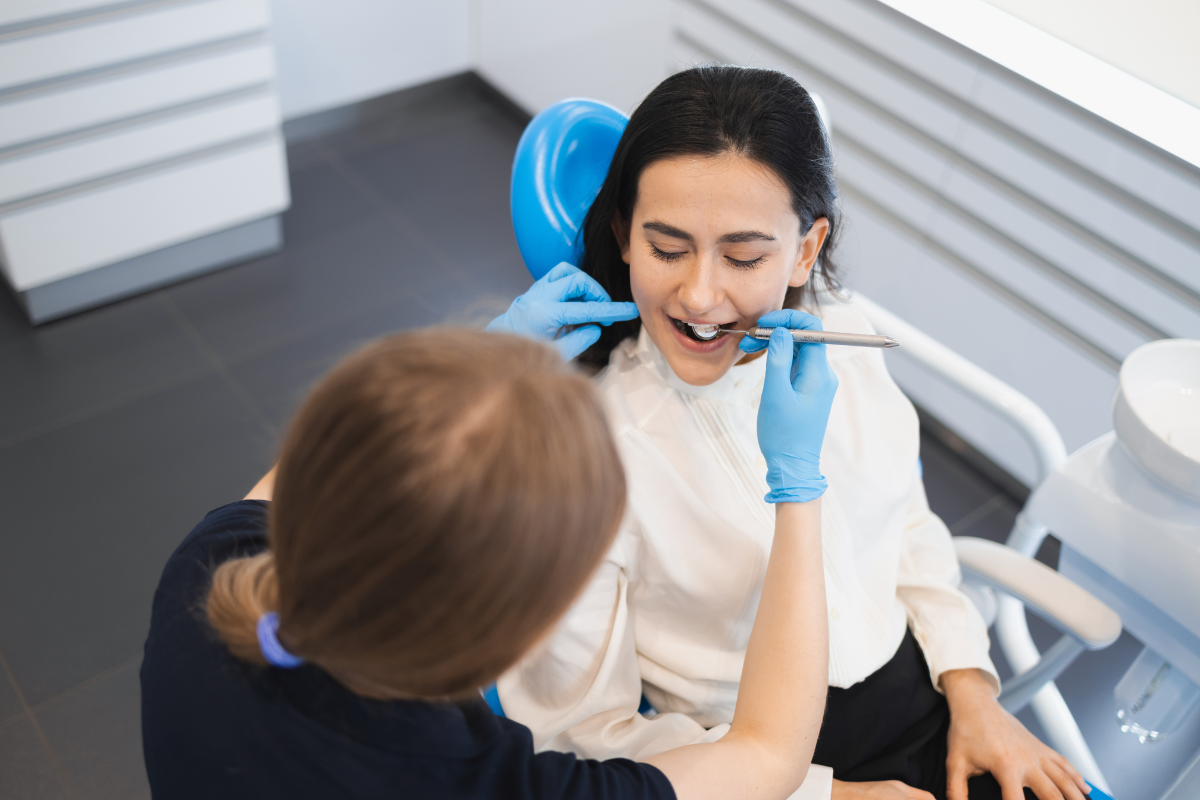
A dental or orthodontic evaluation typically includes:
Step-by-Step Assessment:
- Visual examination of teeth and bite
- Digital X-rays to assess jaw and tooth positioning
- Impressions or 3D scans for alignment mapping
- Growth analysis (especially in children)
In areas like Bel Air, MD, many dental clinics now use advanced imaging technology to detect alignment issues early and plan precise treatment.
Need expert guidance?
You can contact our team for personalized support and professional evaluation—we’re here to help you take the first step toward a healthier, more confident smile.
What Are the Treatment Options?
Treatment depends on the severity of the issue, age, and underlying cause.
Common Solutions:
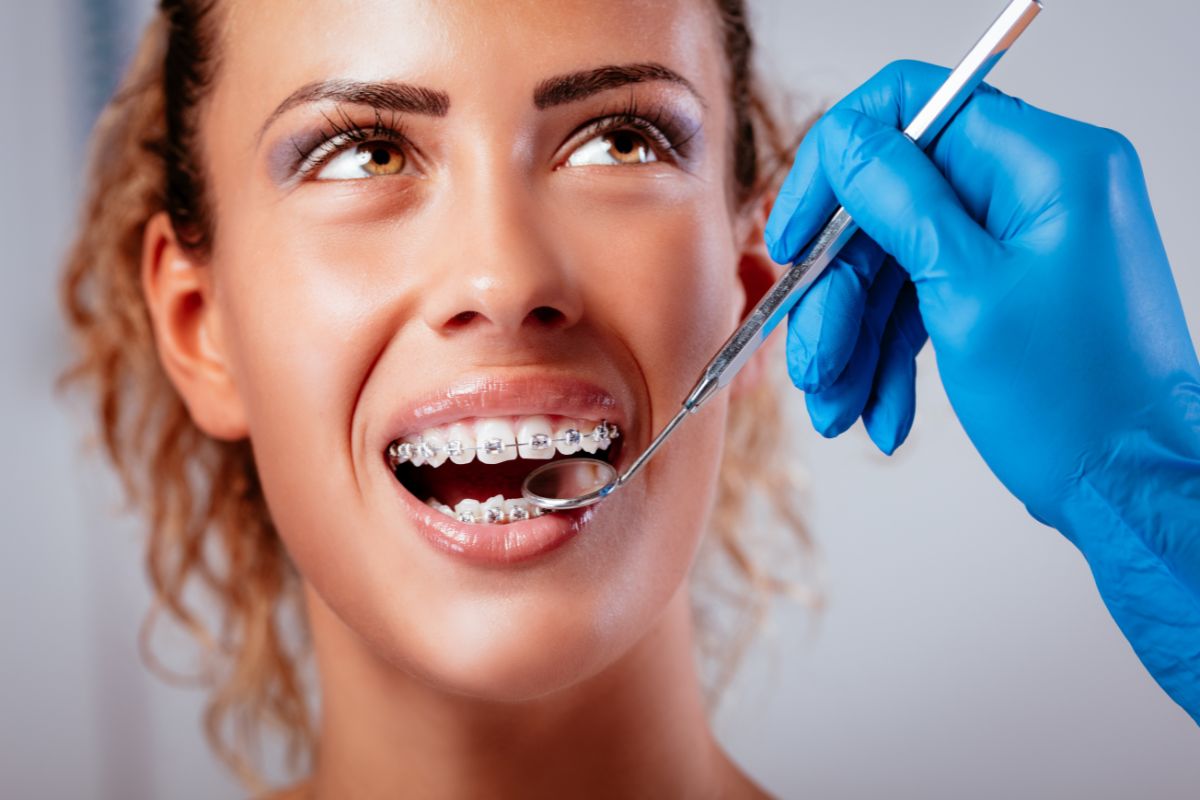
- Braces – Traditional metal or ceramic brackets
- Clear aligners – Removable, nearly invisible trays
- Retainers – Maintain alignment after treatment
- Palatal expanders – Widen the upper jaw in children
- Tooth extraction – In severe crowding cases
Choosing the right type of braces depends on your alignment needs, lifestyle, and preferences. Explore your options: Clear Braces vs Metal Braces: Which Is Right for You? for a detailed comparison of effectiveness, comfort, and appearance.
Benefits of Correcting Crooked Teeth
Addressing alignment issues offers both functional and cosmetic benefits:
Key Advantages:
- Improved chewing and digestion
- Easier brushing and flossing
- Reduced risk of decay and gum disease
- Better speech clarity
- Enhanced smile appearance and confidence
Are There Risks If You Delay Treatment?
Ignoring crooked teeth or bite alignment issues can lead to:
- Progressive misalignment
- Increased dental wear and fractures
- Chronic jaw pain (TMJ disorders)
- Higher long-term treatment complexity
Early intervention often results in simpler and shorter treatment.
Aftercare and Long-Term Maintenance
After orthodontic treatment, maintaining results is essential.
Post-Treatment Care Tips:
- Wear retainers as instructed
- Maintain consistent oral hygiene
- Attend regular dental checkups
- Avoid habits that shift teeth (like grinding or chewing hard objects)
Why Early Evaluation Matters in Bel Air, MD
Families in Bel Air, MD benefit from early orthodontic screenings, especially for children. Local dental professionals often recommend evaluations by age 7 to:
- Detect jaw growth issues early
- Prevent severe crowding
- Reduce treatment time later
This proactive approach helps patients avoid more complex procedures in adulthood.
If you’re noticing signs of crooked teeth or bite problems, a professional evaluation can help identify the underlying cause and the most appropriate next steps. Early guidance often leads to simpler, more predictable outcomes. Take the next step toward a healthier smile—schedule an appointment today and connect with our team for expert guidance tailored to your needs.
Frequently Asked Questions (FAQs)
What is the main cause of crooked teeth?
The most common cause is genetics, including jaw size and tooth alignment inherited from parents.
Can crooked teeth fix themselves over time?
No, crooked teeth usually worsen without treatment, especially as pressure and habits continue to affect alignment.
At what age should bite problems be evaluated?
Children should have an orthodontic evaluation by age 7, but adults can seek treatment at any time.
Do crooked teeth always require braces?
Not always. Mild cases may be corrected with clear aligners or retainers.
Are bite alignment issues painful?
They may not hurt initially, but over time they can cause jaw pain, headaches, and tooth wear.
Conclusion
Crooked teeth and bite alignment issues are common but manageable conditions. Understanding the root causes—from genetics to habits—can help guide timely treatment and prevent complications. Early evaluation and proper care play a key role in achieving long-term oral health and stability.