2103 Laurel Bush Rd, Bel Air, MD 21015



Do you find yourself holding back your smile due to crooked or uneven teeth? You’re not alone in wanting a straighter, more confident smile. The decision to get braces is exciting, but it often comes with an important question: which type should you choose?
Modern orthodontics offers several options, and understanding the differences between them helps you make the right choice for your lifestyle and goals.
Braces have come a long way from the bulky metal appliances of decades past. Today, you have options that balance effectiveness with aesthetics, comfort, and convenience. Two of the most popular choices are clear braces and metal braces. Both straighten your teeth effectively, but they differ in appearance, materials, and how they fit into your daily routine.
Let’s break down everything you need to know about both types so you can move forward with confidence.
Understanding Metal Braces: The Time-Tested Option
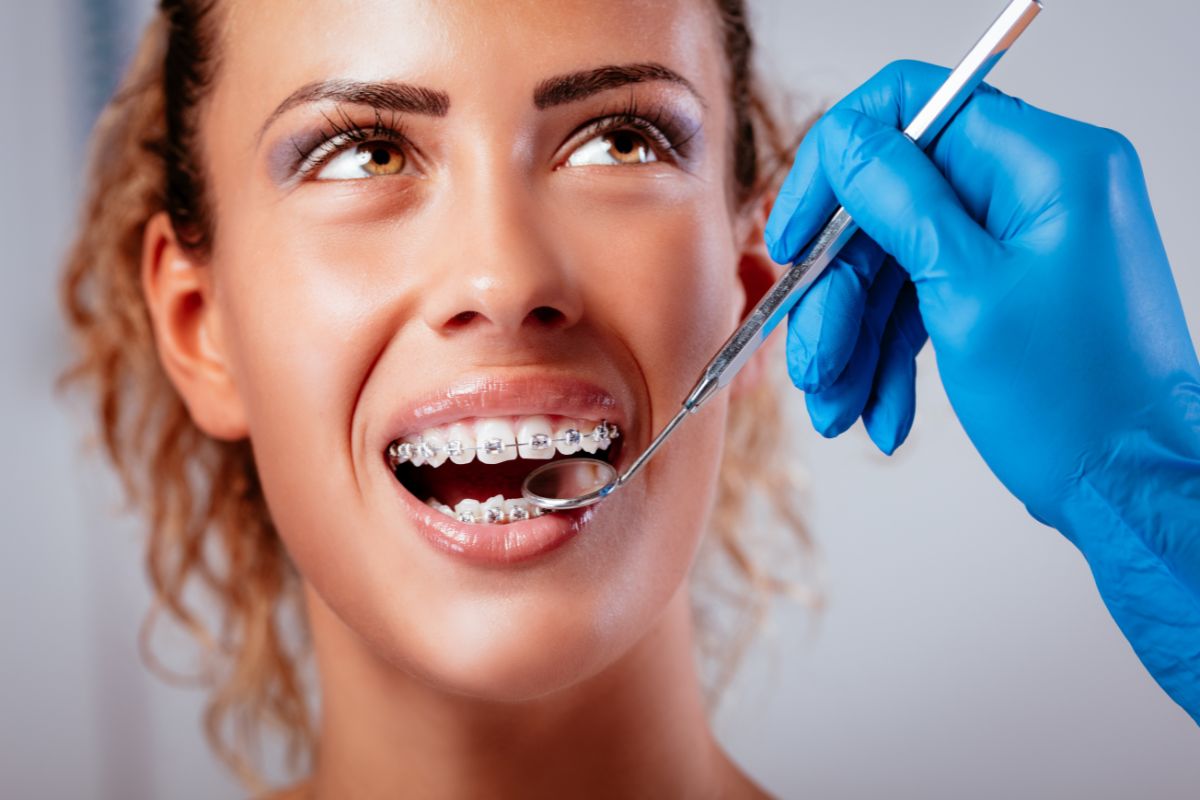
Metal braces have been straightening smiles for generations, and they remain incredibly popular today. These consist of small metal brackets bonded to each tooth, connected by a wire that your orthodontic team adjusts periodically to gradually move your teeth into position.
Modern options are much smaller and more comfortable than their predecessors. The brackets are sleeker, the wires are more flexible, and the overall experience is significantly more pleasant than it was even 10 or 15 years ago. Many people, especially teens, actually enjoy choosing colorful elastic bands that hold the wire in place, turning their braces into a fun form of self-expression.
These braces work for virtually any orthodontic issue, from simple spacing problems to complex bite corrections. They’re incredibly durable and don’t require you to remember to wear them; they’re working 24/7 without any effort on your part.
The main consideration with this option is visibility. The brackets and wires are noticeable when you smile or talk. For some people, especially adults in professional settings, this is a concern.
What Are Clear Braces and How Do They Differ?
They work on the same basic principle as metal ones, but with a key difference in the materials used. Instead of metal brackets, these use ceramic or composite materials that match your tooth color. The wire running through them can also be tooth-colored or clear, making the entire system much less noticeable.
From a few feet away, these aligners blend in remarkably well with your natural teeth. This makes them popular among adults and image-conscious teens who want effective treatment without the obvious appearance of traditional braces. You get the same reliable tooth movement but with a more discreet look that doesn’t dominate your appearance in photos or professional settings.
You can smile confidently throughout treatment knowing that most people won’t immediately notice your orthodontic work.
These aligners are slightly larger than metal brackets because ceramic materials need more bulk to achieve the same strength. They’re also more fragile, which means you need to be more careful about what you eat and how you care for them. Biting into hard foods or experiencing trauma to your mouth could crack or break a ceramic bracket.
Additionally, the clear or tooth-colored components can stain over time if you consume lots of coffee, tea, red wine, or deeply colored foods. While the brackets are replaced at the end of treatment anyway, staining can make them more visible during your months of wear. Good oral hygiene and being mindful of staining foods help minimize this issue.
Which Option Suits Your Lifestyle Better?
Your daily routine and habits should influence your decision. Think about your typical day and what matters most to you in terms of appearance, maintenance, and activities.
If you play contact sports, a metal aligner might be a better choice due to its durability, which reduces the risk of damage during impacts. Athletes in sports like basketball or soccer benefit from their resilience.
On the other hand, if you’re often in photos or social settings, clear aligners offer a discreet option, allowing you to smile confidently without drawing attention to your treatment. If you enjoy crunchy foods, ceramic braces require extra care, as they can break more easily than metal. For those with active lifestyles or dietary habits involving hard foods, metal braces may be a safer option.
How Long Will Treatment Take?
Treatment duration depends more on your individual orthodontic needs than the type of braces you choose. Both metal and ceramic braces generally achieve similar results within 12 to 24 months, although simpler cases may finish sooner, while complex cases may take longer. Your Bel Air orthodontist will provide a personalized estimate based on factors such as crowding, bite issues, and your body’s response to treatment.
Regular adjustment appointments every 4 to 8 weeks help ensure timely progress. Remember, investing in a straighter smile can prevent future dental issues, improve your confidence, and positively impact many areas of your life.
Making Your Decision: Key Questions to Ask Yourself
Before your consultation, consider these key questions to help guide your decision. How important is discretion to you? If you prefer subtlety, ceramic braces may be a good choice, though they require extra care. If you’re okay with visible braces, metal options offer durability and effectiveness.
If you’re meticulous, ceramic braces could work well, but if you’re prone to accidents, metal might be a better fit. Think about your daily routine, eating habits, beverage choices, and oral hygiene consistency, as these will influence your experience with braces. For complex misalignments or bite issues, metal braces may offer more control and faster results.
Your Path to a Confident Smile Starts Here
Choosing between clear braces and metal braces doesn’t have to feel overwhelming. Both options have proven track records of creating beautiful, healthy smiles.
Ready to explore your options and see which type of braces fits your life? Our team at Dr. Joseph LaPonzina Orthodontics is here to answer your questions, address your concerns, and help you make an informed decision. We’ll evaluate your unique situation and discuss the pros and cons of each option based on your specific needs and goals. Dr. Joseph LaPonzina combines advanced techniques with personalized care to create treatment plans that work for you. Contact our dental office near Bel Air, MD, today to schedule an appointment and start your journey toward a straighter, more confident smile.
Frequently Asked Questions
Q: Do Clear Braces Take Longer To Straighten Teeth Than Metal Braces?
No, treatment time is generally the same for both types. The duration depends on your specific orthodontic issues rather than the type of braces you choose. Simple cases take 12 to 18 months, while complex alignment problems require 24 months or more.
Q: Are Clear Braces More Painful Than Metal Braces?
The discomfort level is virtually identical between the two types. Both work by applying pressure to move your teeth, which can cause soreness, especially after adjustments. The adjustment period and occasional soreness are normal with any type of braces, regardless of the material.
Q: Can I Switch From Metal To Clear Braces During Treatment?
Switching is technically possible but not typically recommended. Removing one set of brackets and bonding new ones can be time-consuming and expensive. Discuss your priorities thoroughly during your initial consultation to make the right choice from the beginning.
Q: Will Clear Braces Stain And Become More Visible Over Time?
The ceramic brackets themselves resist staining quite well, but the elastic ties that hold the wire can discolor from foods and drinks like coffee, tea, curry, and red wine. However, these elastics are replaced at each adjustment appointment (typically every 4 to 8 weeks), so any staining is temporary.
Q: Are Metal Braces Stronger And More Effective For Severe Orthodontic Problems?
Metal braces are indeed more durable and less prone to breaking, which can make them preferable for complex cases requiring significant tooth movement or bite correction. However, clear braces can handle most orthodontic issues effectively. Your orthodontist will recommend the most appropriate option based on your specific dental situation and treatment goals.
Q: Can Adults Wear Metal Braces, Or Are They Just For Kids And Teens?
Absolutely, adults can and do wear metal braces successfully. In fact, about one in four orthodontic patients today is an adult. While many adults prefer clear braces for aesthetic reasons, plenty choose metal ones because they’re durable, effective, and often less expensive. Both options work wonderfully for adults seeking straighter teeth.