2103 Laurel Bush Rd, Bel Air, MD 21015


There’s a reason more adults are suddenly paying attention to their smiles again in 2026.
It’s not just weddings, work presentations, or social media photos. For many adults in Bel Air, it’s the realization that crooked teeth, shifting bite alignment, or crowded smiles never actually “fixed themselves” over time. In fact, many people notice changes becoming more obvious in their 30s, 40s, and even 50s.
The difference today? Treatment no longer has to mean metal brackets and a teenage look.
Modern Invisalign treatment offer Bel Air adults a more discreet and lifestyle-friendly way to straighten their smiles. Many people who once avoided orthodontic treatment are now taking the next step because the process feels manageable, subtle, and easier to fit into everyday life.
And in communities like Bel Air, where professional appearance, confidence, and convenience matter, that shift is happening fast.
Why Adults Are Reconsidering Their Smiles Later in Life
Many adults spent years believing orthodontic treatment was “too late” for them.
But dentists and orthodontists are seeing a different trend in 2026: adults are becoming more proactive about both appearance and oral health.
Some common reasons adults finally seek treatment include:
- Teeth shifting after braces years ago
- Crowding that makes oral hygiene harder
- Uneven bite pressure causing tooth wear
- Jaw discomfort or tension
- Increased interest in smile appearance
- Preparation for cosmetic or restorative dentistry
- Concerns about gum disease linked to crowded teeth
For many patients, the decision starts with something small.
A photo they don’t like.
A tooth that overlaps more than before.
A retainer they stopped wearing years ago.
Or difficulty flossing certain areas properly.
These issues may seem cosmetic at first, but alignment can also affect long-term oral health.
What Makes Clear Aligners Different From Traditional Braces?
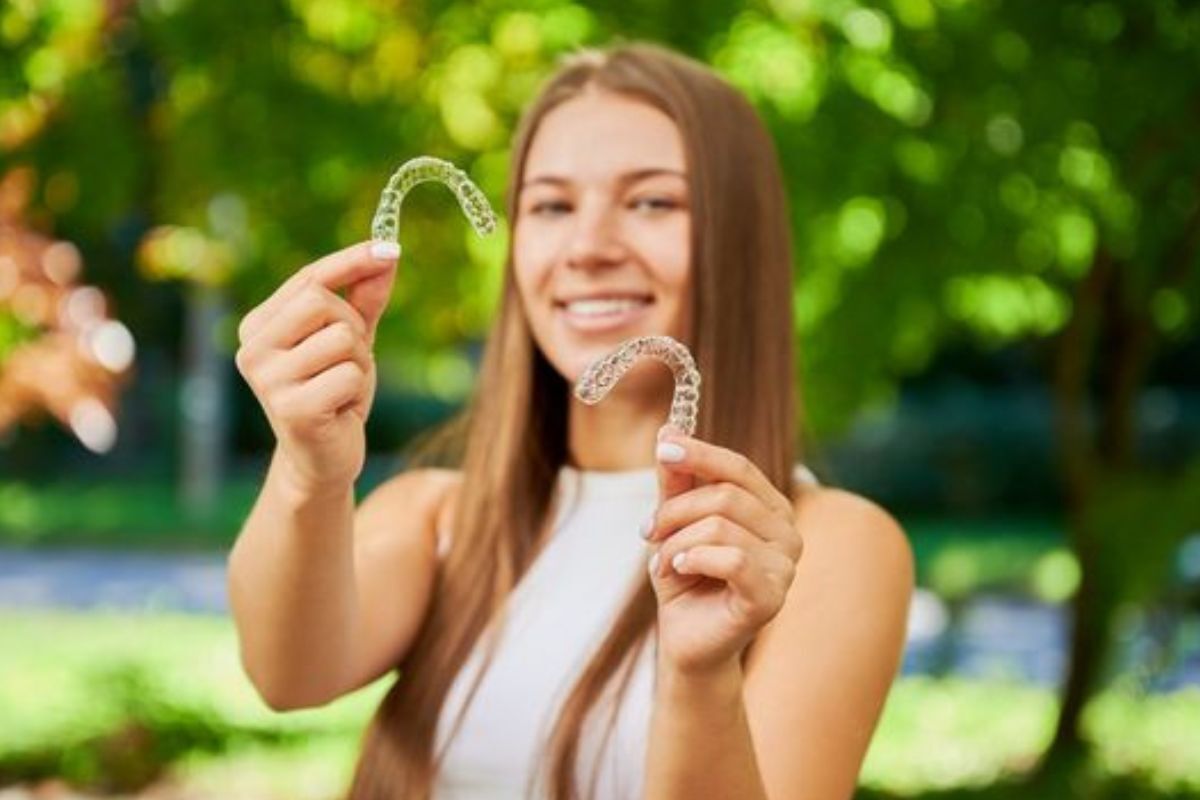
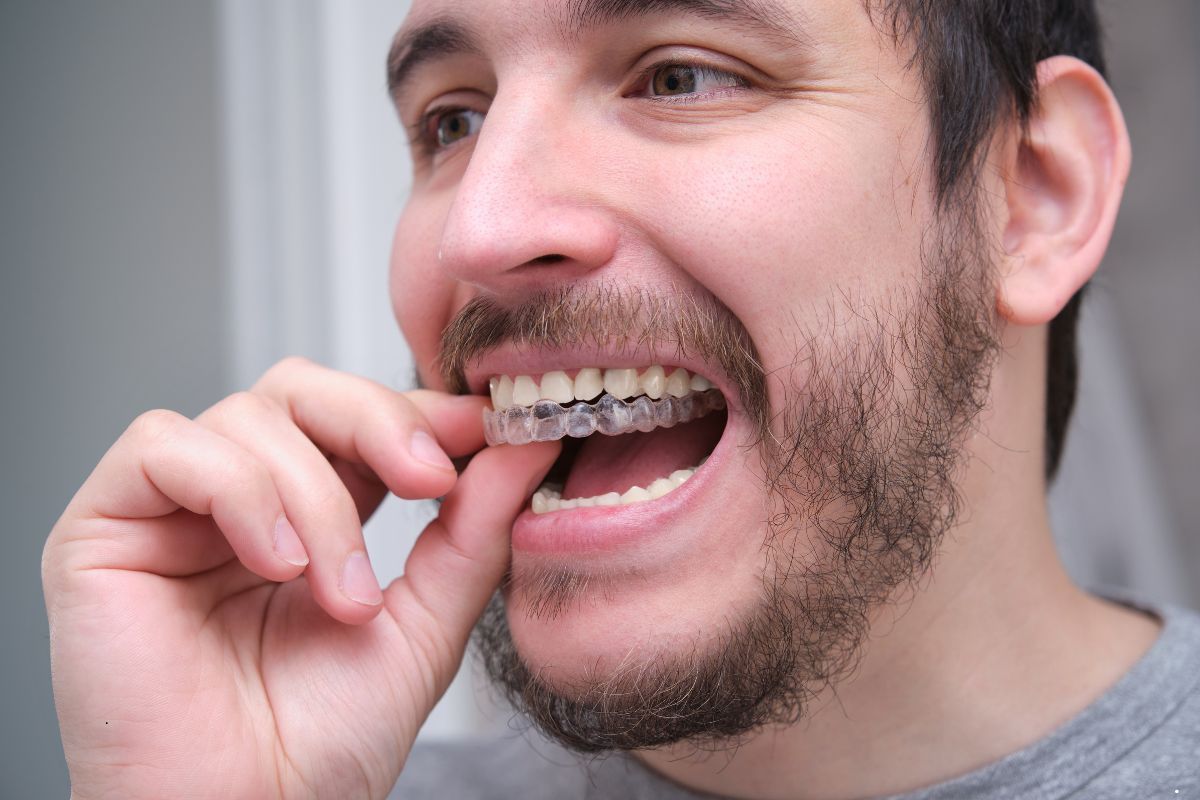
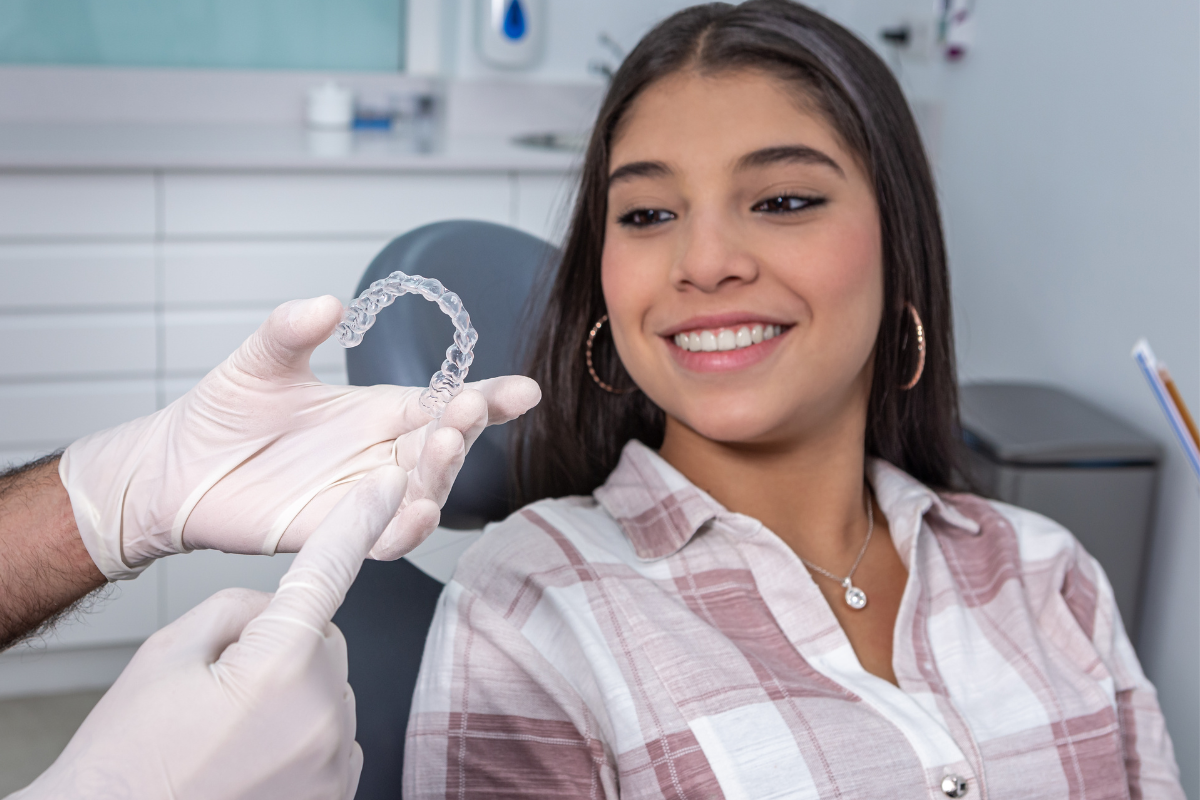
Clear aligners use custom-made transparent trays designed to gradually move teeth into better alignment.
Unlike metal braces, aligners are removable and less noticeable during daily activities.
Adults often prefer aligners because they:
- Blend naturally with the smile
- Allow easier brushing and flossing
- Avoid bracket and wire irritation
- Require fewer lifestyle changes
- Fit better into professional settings
- Can often reduce emergency orthodontic visits
For adults balancing work, parenting, travel, and social commitments, convenience matters just as much as aesthetics.
That’s one reason treatments like Invisalign Bel Air patients explore continue growing in popularity.
Still deciding between traditional braces and aligners? Many adults compare appearance, comfort, maintenance, and lifestyle flexibility before choosing treatment. You can also explore our detailed guide on Braces vs Clear Aligners in Bel Air, MD: Which One Actually Fits Your Lifestyle and Smile Goals? to better understand which option may fit your needs.
Why Bite Alignment Matters More Than Most People Realize
Many people assume orthodontics is only about straight teeth.
But orthodontists also focus heavily on bite alignment.
When teeth don’t meet properly, patients may experience:
| Bite Issue | Potential Effects |
| Overcrowding | Harder cleaning, plaque buildup |
| Deep bite | Enamel wear and tooth damage |
| Crossbite | Uneven chewing pressure |
| Open bite | Speech or chewing difficulties |
| Misalignment | Jaw strain and discomfort |
Poor alignment can sometimes contribute to:
- tooth decay
- gum inflammation
- uneven enamel wear
- difficulty maintaining oral hygiene
- stress on dental crowns or restorations
Adults often notice these problems gradually over time.
That’s why modern orthodontic treatment is increasingly connected to long-term preventive dental care, not just cosmetic improvement.
The Lifestyle Factor: Why 2026 Is Different
Technology has changed orthodontics dramatically.
Today’s aligner systems are more precise, more comfortable, and easier to track digitally than earlier generations.
Many adults appreciate features like:
- Digital smile simulations
- Shorter appointment times
- Fewer office visits
- Predictable treatment planning
- Comfortable tray materials
Remote work and hybrid schedules have also influenced treatment decisions. Adults now have more flexibility to start care without disrupting daily routines.
In Bel Air, patients often want treatment that feels discreet during:
- client meetings
- social events
- professional networking
- family photos
- video calls
Clear aligners fit naturally into those priorities.
Are Clear Aligners Only for Minor Cases?
Not necessarily.
While some severe orthodontic concerns may still require other approaches, many adults are surprised to learn that modern aligner systems can address:
- crowding
- spacing
- mild to moderate bite concerns
- relapse after braces
- rotated teeth
- shifting caused by aging
An experienced orthodontist evaluates whether aligners are appropriate based on:
- tooth movement complexity
- jaw alignment
- oral health condition
- enamel health
- gum stability
This is why personalized treatment planning matters more than choosing a trend online.
Patient Trust & Experience
At Dr. Joseph LaPonzina Orthodontics, we noticed adults hesitate to start orthodontic treatment because they worry the process will feel inconvenient, uncomfortable, or overly sales-driven.
But real patient experiences often tell a very different story.
One Google reviewer, Megan Grammer, shared
Dr. Laponzina and his team are the best. Very professional but genuine. They did my braces years ago. My teeth ended up shifting slightly only where I would notice (my fault for not wearing my retainer) and Dr. Laponzina told me if it were him he wouldn’t spend the money since it was minor. I appreciated that he wasn’t just looking for a buck and actually gave me his honest opinion. I ended up getting them anyways and the process was nothing but smooth and my teeth look great! Thank you Dr. L and your team.
Experiences like this matter to adults considering orthodontic care later in life. Many patients are not looking for pressure — they want honest guidance, realistic expectations, and a treatment plan that fits their lifestyle and long-term oral health goals.
That combination of transparency, comfort, and patient-centered care is one reason more adults in Bel Air are becoming open to orthodontic treatment in 2026.
You can also explore Google reviews to see how local patients describe their experiences with orthodontic care and smile improvement.
How Clear Aligners Support Overall Oral Health
Straightening teeth isn’t only about aesthetics.
Proper alignment may help improve:
- brushing access
- flossing effectiveness
- gum health maintenance
- bite balance
- long-term enamel protection
Crowded or overlapping teeth can create areas where plaque and bacteria accumulate more easily.
Over time, that may increase the risk of:
- cavities
- gum disease
- inflammation
- tooth wear
For some adults, orthodontic treatment also supports future restorative dentistry plans involving:
- dental crowns
- veneers
- implants
- cosmetic smile improvements
This broader connection between alignment and oral health is one reason orthodontics is gaining more attention among adults in 2026.
If you’ve been considering clear aligners, now may be the right time to schedule a consultation and learn how treatment could benefit both your smile and your long-term oral health. Call us today to book your visit and explore your options.
What Adults in Bel Air Usually Ask Before Starting
“Will people notice I’m wearing aligners?”
Most adults find clear aligners much less noticeable than traditional braces, especially during conversations and photos.
“Does treatment hurt?”
Patients may experience temporary pressure when switching trays, but many adults describe the process as manageable and milder than expected.
“Am I too old for orthodontic treatment?”
Healthy teeth and gums matter more than age. Adults of many ages successfully complete orthodontic treatment.
“How long does treatment take?”
Treatment length varies depending on tooth movement complexity and consistency with aligner wear.
If you’re curious about what treatment actually feels like day-to-day, including comfort, eating, speech adjustments, and realistic expectations, read our guide: Your Guide To Invisalign: Comfort, and Real Results.
Thinking About Clear Aligners in Bel Air?
If your teeth have started shifting, your bite feels different, or you’ve been putting off orthodontic treatment for years, now may be the right time to explore your options.
Modern aligner systems are designed around real adult lifestyles — discreet, flexible, and focused on both appearance and oral health.
A consultation can help determine:
- whether aligners are appropriate
- how long treatment may take
- what changes are realistically possible
- how treatment fits your goals
If you’re considering orthodontic treatment in Bel Air, scheduling an evaluation with Dr. Joseph LaPonzina Orthodontics can help you better understand your next steps and available options.
FAQs About Clear Aligners and Adult Orthodontics
Are clear aligners effective for adults?
Yes. Many adults successfully use clear aligners to improve crowding, spacing, and mild to moderate bite alignment concerns.
Is Invisalign better than braces for adults?
It depends on the complexity of the case and patient goals. Many adults prefer Invisalign because it is removable and less noticeable.
How many hours per day should aligners be worn?
Most orthodontists recommend wearing aligners approximately 20–22 hours daily for effective tooth movement.
Can clear aligners improve oral hygiene?
Properly aligned teeth may be easier to brush and floss, helping reduce plaque buildup in difficult areas.
Do teeth shift more as you get older?
Yes. Teeth can naturally shift over time due to aging, bite pressure, missing teeth, or inconsistent retainer use.
Can adults with dental crowns get aligners?
Many adults with dental crowns or restorative dentistry can still qualify for aligner treatment depending on their oral health and treatment needs.
Are clear aligners noticeable in professional settings?
Most people find clear aligners subtle enough for meetings, presentations, and social interactions.
Should I see an orthodontist or general dentist for aligners?
An orthodontist specializes in tooth movement and bite alignment, making them especially valuable for more complex orthodontic concerns.
Final Thoughts
More adults in Bel Air are realizing they don’t have to live with shifting teeth, bite discomfort, or smile insecurity simply because years have passed.
Orthodontic treatment in 2026 looks very different than it did a decade ago. Today’s options are more discreet, more convenient, and more aligned with adult lifestyles and long-term oral health goals.
For many patients, taking the first step starts with a conversation — not a commitment.