2103 Laurel Bush Rd, Bel Air, MD 21015


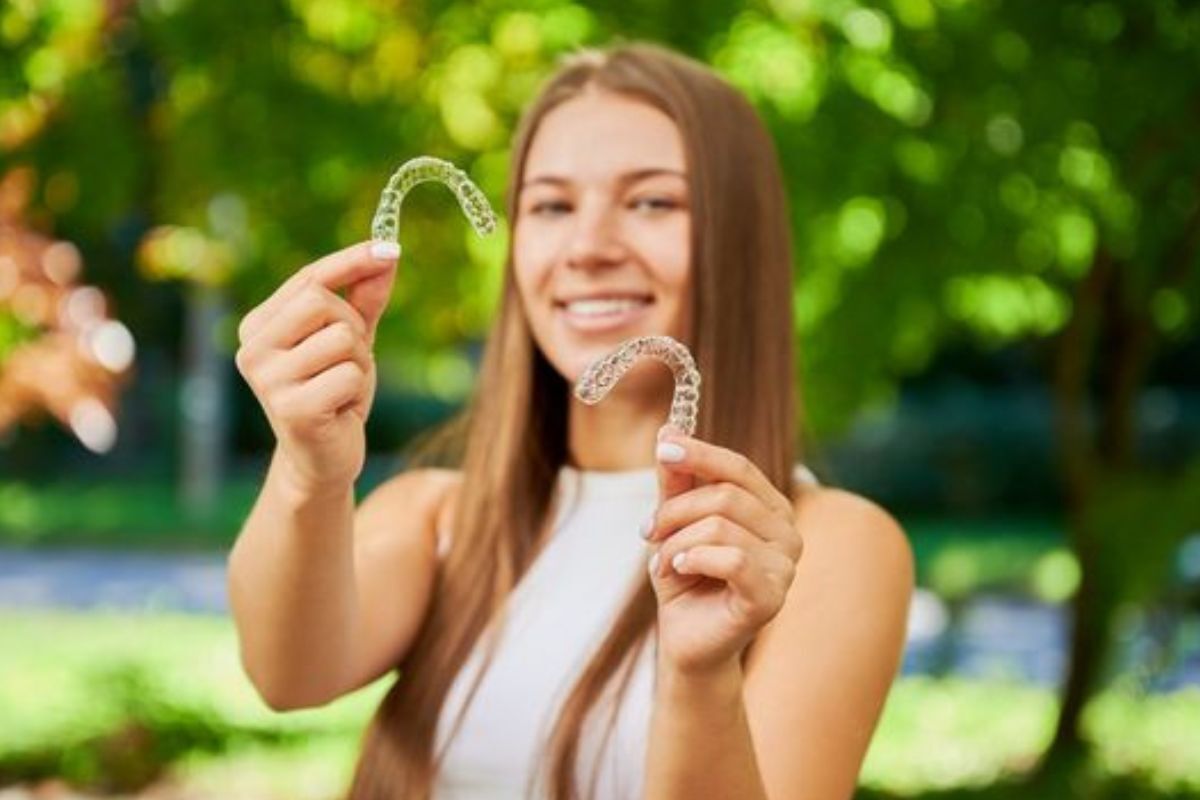
You’ve finally decided this is the year. The year you stop angling your face away from the camera, the year you book the Invisalign consultation you’ve been putting off since your cousin’s wedding photos came back. Then the thought creeps in: “But I have two fillings and a crown from that root canal back in college. Does that disqualify me before I even start?”
If a version of that worry has been rattling around in your head, you’re in good company. It’s one of the questions our Bel Air team hears most often and the honest answer is almost always more reassuring than people expect.
The Problem: Restorative Work Feels Like a Disqualifier – It Isn’t
By the time most adults start looking into clear aligners, they’ve picked up some dental history along the way: a filling from a cavity in their teens, a crown after a cracked molar, maybe a root canal that needed extra protection. Invisalign’s marketing tends to show flawless, uncomplicated smiles, so it’s an easy leap to assume the treatment only works on “perfect” teeth.
If you’re still in the research stage and want to understand what to expect before committing to treatment, our guide “Thinking About Invisalign? Read This Before You Start Treatment” covers the key things patients should consider before beginning Invisalign.
Where This Misconception Comes From
Part of it is marketing – before-and-after photos rarely mention what’s underneath the enamel. Part of it is outdated advice circulating in online forums, where one person’s complicated case gets generalized into a blanket rule. And part of it is simple confusion between general dentistry and orthodontics: a filling or crown is about restoring a tooth’s structure, while Invisalign is about repositioning teeth within the jaw. They’re related, but they’re not the same conversation.
Why It Matters: Your Bite Is About More Than Tooth Material
Aligners move teeth by applying calibrated, gradual pressure across the arch – not just to the visible surface of each tooth. That pressure works on the root and the surrounding bone, the structures that actually respond to orthodontic force. A crown or filling changes the shape or material on top of a tooth, but it doesn’t change the biology underneath that makes tooth movement possible. That’s why bite alignment, oral health, and overall smile appearance can still be improved even when a tooth isn’t in its original, unrestored state.
| Did You Know? Dental crowns and large fillings restore a tooth’s shape and function, but it’s the root and surrounding bone that actually respond to orthodontic pressure – which is why most restored teeth can still be guided into alignment with clear aligners like Invisalign. |
The Real Risks: What Crowns and Fillings Can Complicate
None of this means restorations are irrelevant. A thoughtful orthodontist reviews them closely, because a few specific factors can shape how treatment is planned.
Bonding Attachments to Certain Materials
Invisalign relies on small, tooth-colored attachments bonded to certain teeth to help the aligners grip and apply pressure precisely. These attachments bond most predictably to natural enamel. Porcelain and zirconia crowns have a smoother, glassier surface, so bonding sometimes needs a modified technique – or the attachment gets placed on a neighboring natural tooth instead.
Fit Around Large or Multiple Restorations
A tooth with a large filling or a full crown can have a slightly different shape than its original form. On a heavily restored arch, that can affect how precisely an aligner tray seats. This is exactly why a current digital scan – not just a photo or an old cast – matters so much before treatment planning begins.
Bite Pressure on Root-Canaled or Weakened Teeth
Teeth that have had a root canal can sometimes feel more sensitive to sustained pressure, at least early on. It doesn’t usually rule out treatment, but it’s a reason your orthodontist may build in extra monitoring or coordinate directly with the dentist who performed the procedure.
Signs your case may call for extra planning:
- Multiple crowns on the same arch — attachment placement often shifts to nearby natural teeth.
- A filling or crown placed very recently — your dentist may want the restoration fully settled first.
- A root-canaled tooth that’s still sensitive — worth flagging at your consultation so it’s monitored.
- Old, worn fillings that have changed your bite — these can actually be a reason to pursue Invisalign, not avoid it.
Quick Reference: Restorations and Invisalign Compatibility
| Tooth Condition | Invisalign Compatibility | What to Expect |
|---|---|---|
| Natural tooth, no restorations | Straightforward | Standard attachment bonding, no adjustments |
| Small or moderate filling | Fully compatible | No special prep needed for most cases |
| Large filling or multiple restorations | Compatible with planning | Dentist reviews restoration integrity beforehand |
| Porcelain or zirconia crown | Compatible, adjusted bonding | Attachment may move to a neighboring natural tooth |
| Recent root canal | Usually compatible after healing | Orthodontist coordinates timing with your dentist |
The Professional Solution: How We Plan Around Restorative Work
This is where an orthodontist’s training becomes the deciding factor between a treatment plan that works and one that runs into avoidable friction. Instead of treating crowns and fillings as a footnote, they become part of the plan from day one.
How we adapt treatment for restored teeth:
- Reviewing your full dental history before scanning — crowns, fillings, root canals, and any restorative dentistry you’ve had.
- Adjusting attachment placement or bonding method — so the aligners still track precisely, even around restored teeth.
- Coordinating with your general dentist — especially for recent work or teeth that need monitoring.
- Building extra check-ins into the treatment timeline — to confirm restorations are holding up and aligners still fit as planned.
Local Authority: A Bel Air Team That Treats the Whole Smile
Harford County families have trusted Dr. Joseph LaPonzina Orthodontics since 1996, and a lot of that trust comes from how the team handles cases that aren’t textbook-simple — restored teeth included. See what our patients say on Google reviews, and you’ll notice a pattern: people mention feeling heard, not rushed through a script.
⭐⭐⭐⭐⭐ Jake Johnson
Friendly staff, clean office, great experience! Would highly recommend this Ortho to anyone 🙂
Meet Dr. Joseph LaPonzina

Bel Air’s hometown orthodontist since 1996, Dr. LaPonzina trained through an advanced pre-med program at Villanova University, earned his dental degree at the University of Maryland, and completed a post-doctoral certificate in orthodontics at the Albert Einstein Medical Center. Patients who arrive with existing crowns, fillings, or root canal work get a treatment plan built around their full dental history – not a one-size-fits-all script.Schedule a consultation with Dr. LaPonzina to talk through your specific case.
| Ready to Find Out If Invisalign Fits Your Smile? Bring your dental history — crowns, fillings, and all — to a consultation with Dr. LaPonzina’s Bel Air team. We’ll review your case in person and tell you exactly what treatment would look like for you. Call Us to Schedule Your Consultation! |
What This Means for Your Treatment Timeline
For most patients, having a crown or a filling doesn’t meaningfully change how long Invisalign takes. What it can change is the planning phase: a closer look at your scan, a slightly different attachment strategy, maybe one extra conversation with your general dentist before your trays are finalized. The goal is the same either way — a treatment plan built around the smile you actually have, not a generic template.
Of course, knowing you’re a candidate is only the beginning. If you’re wondering what Invisalign actually feels like day to day and what kind of results you can realistically expect, our “Your Guide To Invisalign: Comfort, and Real Results” breaks down the treatment experience in more detail.
Frequently Asked Questions
1. Can you get Invisalign if you have a dental crown?
In most cases, yes. Crowns don’t prevent tooth movement because the root and surrounding bone respond to orthodontic pressure. Your orthodontist may adjust where attachments are bonded to work best with the crown’s surface.
2. Does Invisalign work with fillings?
Yes. Small to moderate fillings typically require no special adjustments. Larger or multiple fillings may simply require your orthodontist to review the restoration’s condition more closely during treatment planning.
3. Do crowns affect how Invisalign attachments are placed?
Sometimes. Porcelain and zirconia crowns have a smoother surface than natural enamel, so the bonding technique may need to be modified. In some cases, an attachment may be placed on a nearby natural tooth instead.
4. Can I start Invisalign right after getting a filling or crown?
It depends on the restoration and your individual situation. Many patients can begin Invisalign once the tooth has settled, but your dentist and orthodontist may recommend waiting briefly after certain types of recent restorative work.
5. Will Invisalign feel different on a tooth with a crown?
Most patients don’t notice a meaningful difference. If a tooth has had a root canal and feels more sensitive, your orthodontist can monitor the tooth closely and adjust the treatment approach if needed.
6. Are there restorations that make someone a poor Invisalign candidate?
Very few restorations automatically disqualify someone from Invisalign. However, extensive or unstable restorative work, active dental problems, or other oral health concerns may need to be addressed before orthodontic treatment begins.
7. How does an orthodontist plan around a root-canaled tooth?
Your orthodontist will evaluate the tooth’s condition and stability, coordinate with your general dentist when necessary, and may include additional monitoring during treatment. This helps ensure the tooth and surrounding structures remain healthy as alignment progresses.
8. Should I tell my orthodontist about all my dental work before starting Invisalign?
Yes. Be sure to mention crowns, fillings, root canals, bridges, and other restorative dental work. A complete dental history helps your orthodontist create an Invisalign treatment plan based on your actual oral health and existing restorations.
| Your Smile Doesn’t Need to Be “Perfect” to Start Crowns, fillings, and root canals are part of a lot of smiles we treat every day. Let’s find out what your Invisalign plan actually looks like. Book Your Appointment! |