2103 Laurel Bush Rd, Bel Air, MD 21015


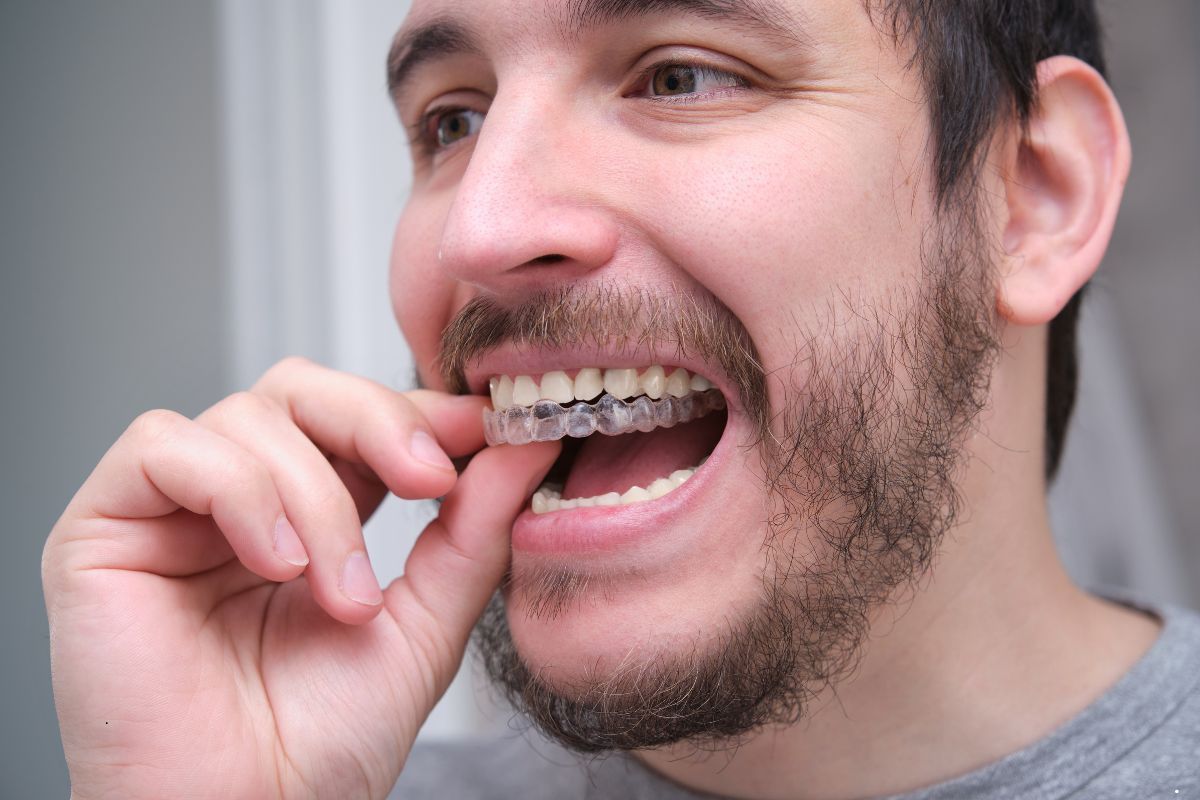
You finally decided it’s time to improve your smile.
Maybe you’re tired of hiding your teeth in photos. Maybe an upcoming wedding, career opportunity, or major life event has made you think seriously about orthodontic treatment. Or perhaps you’ve been researching clear aligners and wondering if Invisalign is really worth it.
Before you commit to treatment, there are a few things you should know.
While Invisalign has helped millions of people achieve straighter smiles, successful results depend on much more than simply wearing clear trays. Understanding the process, expectations, and potential challenges can help you make a confident decision.
If you’re exploring Invisalign options in Bel Air, this guide will help you understand what to expect before starting treatment and how to maximize your chances of success.
What Is Invisalign Treatment?
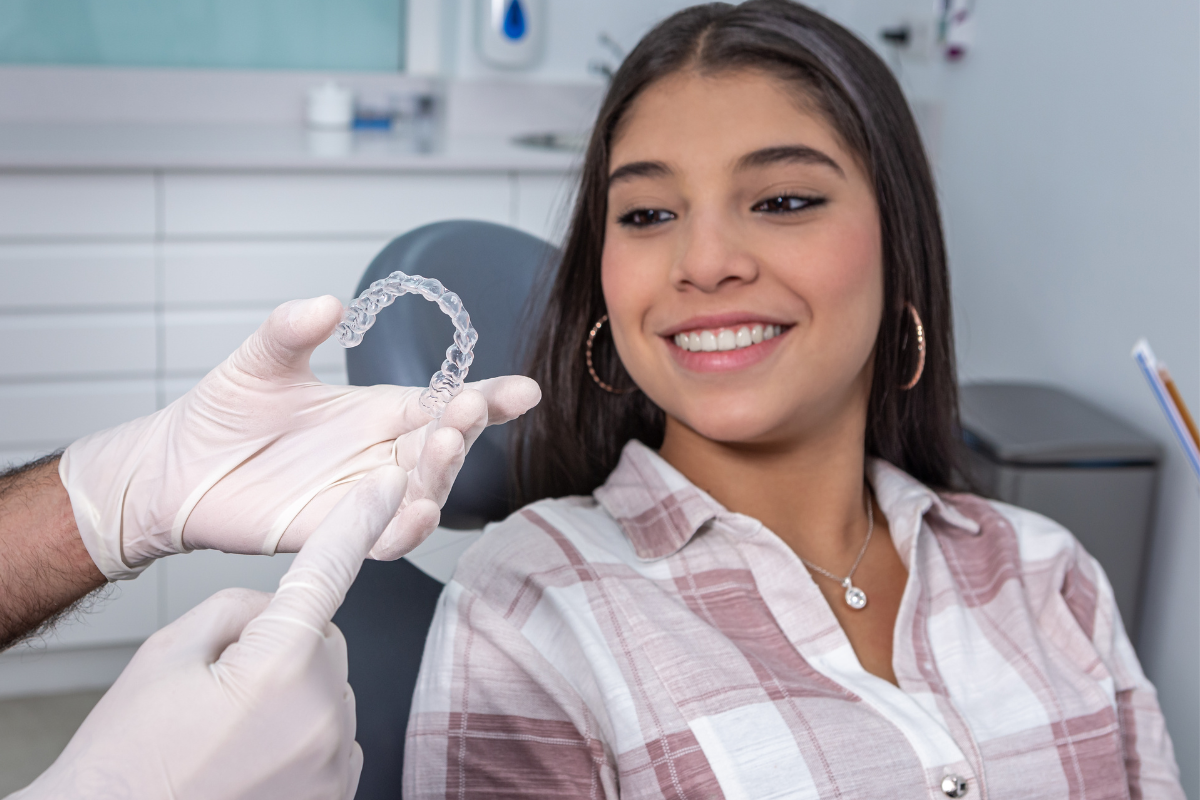
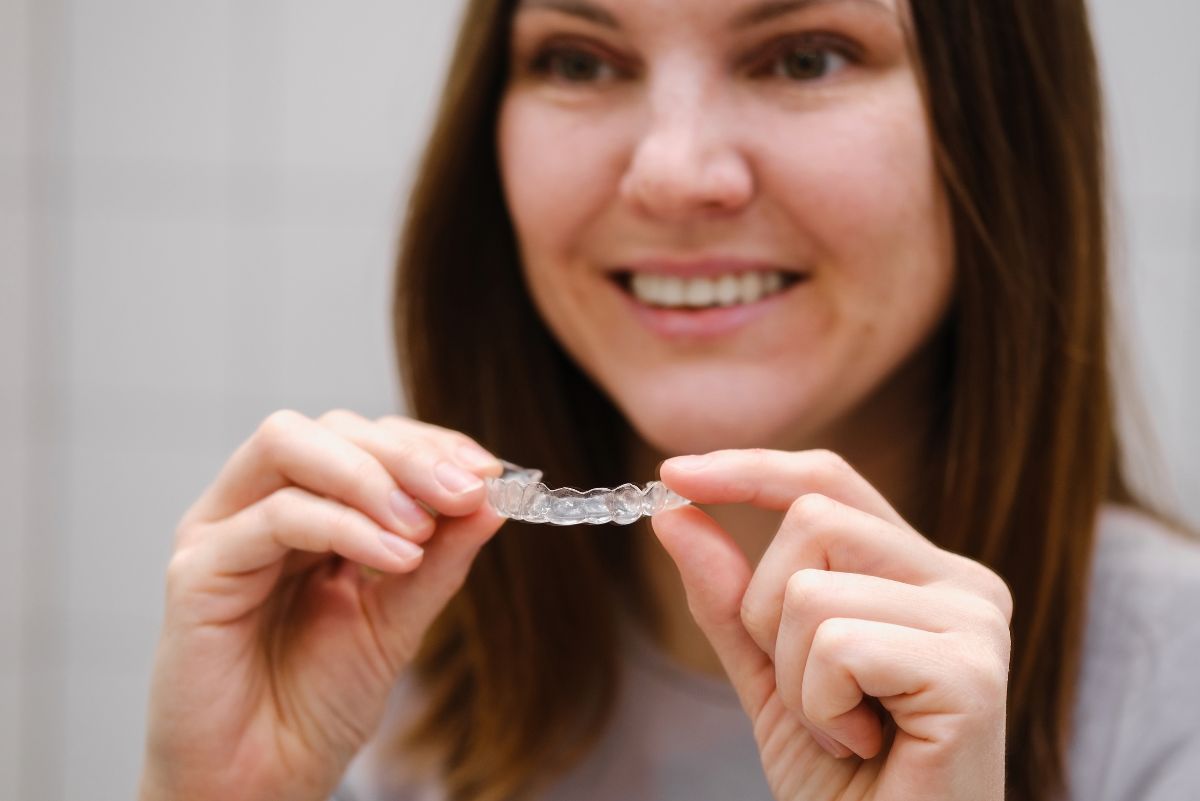
Invisalign treatment is a modern orthodontic system that uses a series of custom-made clear aligners to gradually move teeth into better positions.
Unlike traditional braces, Invisalign aligners are removable, nearly invisible, and designed to fit comfortably over your teeth.
Invisalign may help address:
- Crowded teeth
- Gaps between teeth
- Overbites
- Underbites
- Crossbites
- Mild to moderate bite alignment concerns
The goal isn’t just a more attractive smile appearance. Proper tooth positioning can also support oral health, improve oral hygiene habits, and reduce uneven wear on enamel.
The Question Most Patients Ask First: Am I a Good Candidate?
Not everyone who wants Invisalign is automatically a candidate.
A comprehensive orthodontic evaluation is essential because every smile is different.
You may be a good candidate if:
- Your teeth are mildly or moderately misaligned
- You have healthy gums and good oral hygiene
- You are committed to wearing aligners consistently
- You want a discreet alternative to braces
More complex bite issues may still qualify for Invisalign, but treatment planning becomes even more important.
This is why professional guidance matters. The quality of treatment planning often has a greater impact on results than the aligners themselves.
What Most People Don’t Realize Before Starting Invisalign
Many patients focus on how invisible the aligners are.
What they don’t always realize is that Invisalign success depends heavily on personal commitment.
You Must Wear Them Consistently
For most cases, aligners should be worn 20–22 hours per day.
Removing them too often can:
- Slow treatment progress
- Extend treatment timelines
- Affect final results
- Increase the need for refinements
Many patients researching Invisalign are surprised by how comfortable the aligners feel compared to traditional braces. If you’re wondering what daily life with Invisalign actually looks like, including comfort, eating, speaking, and treatment expectations, check out our guide: “Your Guide To Invisalign: Comfort, and Real Results.”
Attachments May Be Part of Treatment
Many Invisalign cases require small tooth-colored attachments.
These tiny bumps help guide tooth movement and are often necessary for predictable results.
Most patients adapt quickly, but it’s helpful to know about them beforehand.
Oral Hygiene Becomes Even More Important
Food particles trapped beneath aligners can increase the risk of:
- Tooth decay
- Gum irritation
- Bad breath
Brushing and flossing before reinserting aligners becomes an important daily habit.
Why Delaying Orthodontic Treatment Can Create Bigger Problems
Many adults postpone treatment because their teeth “aren’t that bad.”
However, misalignment can sometimes contribute to:
- Excessive enamel wear
- Difficulty cleaning between teeth
- Gum disease risks
- Bite imbalances
- Increased pressure on certain teeth
Over time, these issues may require additional dental care, including restorative dentistry procedures such as dental crowns or other treatments.
Addressing alignment concerns earlier can often help preserve long-term oral health.
Invisalign vs. Traditional Braces: Which Is Better?
| Invisalign | Traditional Braces |
| Nearly invisible appearance | Visible brackets and wires |
| Removable for eating | Fixed to teeth |
| Easier oral hygiene routine | More challenging cleaning |
| Fewer emergency visits | Occasional wire or bracket issues |
| Requires patient compliance | Works continuously |
Neither option is universally better.
The right choice depends on your specific bite, lifestyle, goals, and treatment needs.
An orthodontic consultation can determine which approach is best suited to your case.
One of the most common questions patients ask is whether Invisalign affects facial appearance beyond straightening teeth. While every case is unique, improvements in bite alignment and tooth positioning can sometimes create subtle facial changes. Learn more in our article: “Does Invisalign Change Your Smile and Face Shape?“
Patient Trust & Experience
Choosing Invisalign is a big decision, and many patients want reassurance that they’re selecting a practice where they will feel comfortable throughout treatment.
At Dr. Joseph LaPonzina Orthodontics, patients frequently mention the welcoming environment, attentive team, and personalized care they receive from consultation through treatment.
⭐⭐⭐⭐⭐ Paris Creaney
Had our consultation with Dr. Joseph LaPonzina and we will definitely be using him for our daughter’s expander! The office staff were so nice and the office is beautiful. Dr. LaPonzina made us feel so comfortable. Excited to see the difference in a few years!
Read more Google Reviews to see what local families throughout Bel Air are saying about their orthodontic experience with Dr. Joseph LaPonzina Orthodontics.
Meet Your Orthodontist

Meet Dr. Joseph LaPonzina
Dr. Joseph LaPonzina focuses on helping patients achieve healthier, more confident smiles through personalized orthodontic care.
Every treatment plan is designed around the patient’s goals, bite condition, and long-term oral health needs not a one-size-fits-all approach. Schedule a consultation with Dr. Joseph LaPonzina to learn whether Invisalign is the right fit for your smile.
Why Patients in Bel Air Choose Professional Invisalign Care
The Invisalign system itself is important.
However, treatment success depends on:
- Accurate diagnosis
- Digital treatment planning
- Monitoring tooth movement
- Managing bite changes
- Refining results when necessary
Patients throughout Bel Air and surrounding communities often benefit from ongoing professional oversight that helps keep treatment on track and addresses concerns before they become larger problems.
Ready to Explore Invisalign in Bel Air?
If you’ve been wondering whether Invisalign is right for you, the best next step is a professional evaluation.
Every smile has unique needs, and online research can only tell part of the story.
A consultation allows you to:
- Understand your treatment options
- Learn expected timelines
- Discuss costs and financing
- See whether Invisalign matches your goals
- Get answers specific to your smile
Interested in Invisalign in Bel Air? Call us to schedule a consultation with Dr. Joseph LaPonzina Orthodontics and discover what your personalized treatment journey could look like.
Frequently Asked Questions About Invisalign
How long does Invisalign treatment usually take?
Treatment length varies depending on the complexity of your case. Many patients complete treatment within 12–18 months, though some cases may be shorter or longer.
Does Invisalign hurt?
Most patients experience mild pressure when switching to a new aligner set. This pressure is typically temporary and indicates that teeth are moving as planned.
Can adults get Invisalign?
Yes. Invisalign is a popular option for adults who want a discreet way to improve smile appearance and bite alignment.
How many hours per day should I wear Invisalign aligners?
Most patients should wear aligners 20–22 hours per day for optimal results.
Can Invisalign help with bite problems?
In many cases, Invisalign can address overbites, underbites, crossbites, and other alignment concerns. A consultation is necessary to determine eligibility.
Is Invisalign worth it?
For many patients, Invisalign provides a comfortable and discreet orthodontic solution that can improve both smile appearance and overall oral health.
Final Thoughts
Starting Invisalign is an exciting decision, but it’s also an investment in your future smile and oral health.
The more informed you are before treatment begins, the more confident you’ll feel about your choices.
Whether your goal is straighter teeth, improved bite alignment, or greater confidence, a professional consultation can help you understand your options and create a plan tailored to your needs. If you’re considering Invisalign in Bel Air, now is the perfect time to learn what’s possible for your smile.