2103 Laurel Bush Rd, Bel Air, MD 21015


You Started Braces Hoping for a Straight Smile—So Why Does Treatment Sometimes Take Longer?
Most people begin orthodontic treatment with a simple goal: a healthier, more confident smile.
They imagine the day the braces come off. The graduation photos. The wedding pictures. The confidence boost that comes with seeing straight teeth in the mirror.
But somewhere along the way, some patients hear words they weren’t expecting:
“We may need a few more months.”
While every smile moves at its own pace, many treatment delays aren’t caused by the braces themselves. In fact, some of the Common Mistakes of Braces Treatment happen during everyday routines—and patients often don’t realize they’re affecting progress.
For families in Bel Air and nearby communities, understanding these habits early can help keep treatment moving as efficiently as possible.
What Determines How Long Braces Treatment Takes?
Before discussing mistakes, it’s important to understand that orthodontic timelines vary.
Several factors influence how teeth move, including:
- Age
- Bite alignment issues
- Crowding severity
- Jaw development
- Bone response to treatment
- Oral hygiene habits
- Compliance with orthodontic instructions
Even when two people receive similar braces treatment, their timelines may differ significantly.
That said, certain behaviors consistently contribute to unnecessary delays.
Treatment timelines vary from person to person. Factors like age, bite complexity, jaw development, oral hygiene habits, and patient compliance all play a role. If you’re curious about the biggest variables that influence treatment length, read our guide on “What Really Affects Orthodontic Treatment Duration in Bel Air, MD? 7 Key Factors You Should Know.“
The Most Common Mistakes That Slow Down Braces Treatment
In many cases, treatment delays begin long before braces are ever placed. Ignoring early orthodontic concerns can make future correction more complex. Learn about the signs that shouldn’t be ignored in our article “7 Warning Signs You Shouldn’t Delay Orthodontic Treatment Any Longer.“
1. Missing Orthodontic Appointments
Regular adjustment visits are a critical part of treatment.
Each appointment allows your orthodontist to:
- Monitor tooth movement
- Adjust wires
- Replace worn elastics
- Identify potential issues early
- Keep treatment progressing according to plan
When appointments are repeatedly delayed or missed, tooth movement can stall.
A missed visit may seem minor, but several missed visits throughout treatment can add months to the overall timeline.
2. Not Wearing Rubber Bands as Directed
Many patients underestimate the importance of elastics.
Rubber bands help correct:
- Bite alignment
- Jaw positioning
- Tooth relationships
- Midline discrepancies
When patients wear elastics inconsistently, the desired movement simply doesn’t occur as planned.
One of the most frequent orthodontic frustrations is seeing excellent progress interrupted because rubber bands weren’t worn according to instructions.
3. Poor Oral Hygiene
Braces create additional spaces where plaque and food particles can accumulate.
Without proper oral hygiene, patients may experience:
- Inflamed gums
- White spot lesions
- Early tooth decay
- Increased plaque buildup
- Treatment complications
Healthy gums are essential for predictable tooth movement. When gum inflammation develops, orthodontists may need to modify or slow aspects of treatment until oral health improves.
Why Oral Health Directly Affects Orthodontic Progress
Healthy teeth don’t move in isolation. They move within bone and are supported by surrounding gum tissue.
When inflammation develops, the body’s response can affect how comfortably and efficiently teeth shift into their new positions.
This is one reason orthodontists place such strong emphasis on:
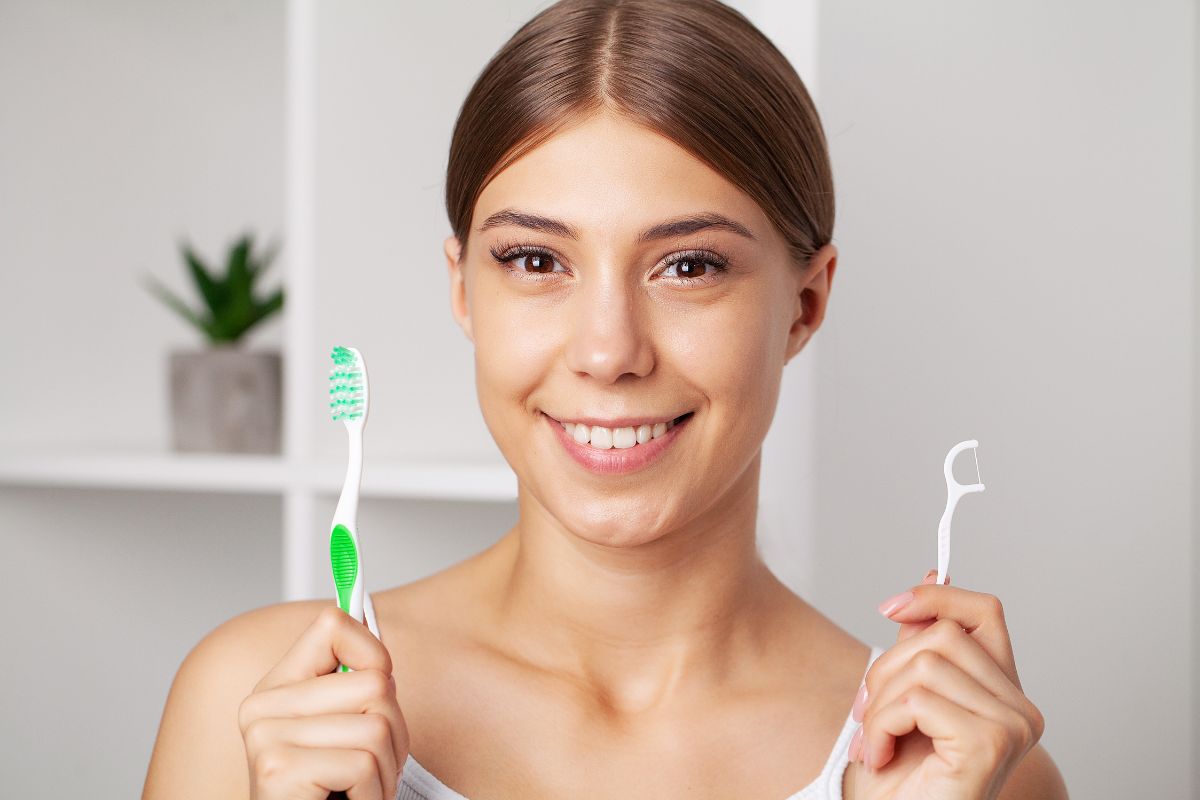
- Daily brushing
- Flossing
- Professional cleanings
- Preventive dental care
Good oral hygiene isn’t just about preventing cavities—it helps support treatment success.
4. Eating Foods That Damage Braces
Broken brackets are among the most common causes of treatment delays.
Foods frequently associated with appliance damage include:
- Hard candies
- Ice
- Popcorn kernels
- Nuts
- Sticky caramel
- Chewy candies
- Hard pretzels
When brackets loosen or wires bend, planned tooth movements may stop until repairs are made.
Repeated breakages can significantly extend treatment.
5. Using Teeth as Tools
Opening packages.
Biting fingernails.
Chewing pen caps.
Tearing tape.
These habits place unnecessary stress on orthodontic appliances.
While they may seem harmless, they can bend wires, loosen brackets, and interfere with carefully planned tooth movement.
6. Ignoring Small Problems
Many patients assume they’ll mention an issue at their next appointment.
However, problems such as:
- Loose brackets
- Broken wires
- Persistent discomfort
- Missing rubber bands
- should be reported promptly.
Addressing concerns early often prevents larger treatment setbacks later.
⭐⭐⭐⭐⭐ Kaitlin K
Dr. Joe and his staff are hands down the best!! Wouldn’t want to go anywhere else!
A Quick Comparison: Habits That Help vs. Habits That Hurt
| Helps Treatment Stay on Track | Can Delay Treatment |
| Attending appointments regularly | Missing adjustments |
| Wearing elastics consistently | Forgetting rubber bands |
| Excellent oral hygiene | Plaque buildup and gum inflammation |
| Following food guidelines | Breaking brackets frequently |
| Reporting issues early | Waiting weeks to mention problems |
| Protecting appliances during sports | Appliance damage |
What Happens If Braces Treatment Gets Delayed?
Extended treatment isn’t always harmful, but unnecessary delays can create frustrations.
Potential consequences may include:
- More appointments
- Longer time wearing braces
- Increased maintenance requirements
- Greater risk of appliance repairs
- Delayed smile goals
Patients are often surprised to learn that small daily habits have a larger impact on treatment length than major orthodontic procedures.
Patient Trust & Experience
Orthodontic treatment is a journey that often lasts months or even years. That’s why choosing an orthodontic team that communicates clearly and supports patients throughout the process matters just as much as the treatment itself.
Many families throughout Bel Air and surrounding communities consistently mention the welcoming environment and personalized care they receive at Dr. Joseph LaPonzina Orthodontics.
⭐⭐⭐⭐⭐ Paris Creaney
“Had our consultation with Dr. Joseph LaPonzina and we will definitely be using him for our daughter’s expander!! The office staff were so nice and the office is beautiful. Dr. LaPonzina made us feel so comfortable. Excited to see the difference in a few years!!”
Experiences like these reflect what many orthodontic patients are looking for—clear guidance, a comfortable environment, and confidence that they’re receiving thoughtful care every step of the way.
Read more Google Reviews to see what local patients and families are saying about their orthodontic experience with Dr. Joseph LaPonzina Orthodontics.
Meet Your Orthodontist

Meet Dr. Joseph LaPonzina
At Dr. Joseph LaPonzina Orthodontics, treatment is focused on more than straightening teeth. Every treatment plan considers long-term oral health, bite alignment, smile appearance, and patient comfort.
Patients throughout Bel Air and surrounding communities appreciate having clear guidance throughout every stage of treatment, helping them avoid common obstacles that can slow progress.
Schedule a consultation with Dr. Joseph LaPonzina to learn more about your treatment options.
Worried That Your Braces Aren’t Progressing as Expected?
The good news is that many treatment delays are preventable.
If you’ve experienced broken brackets, missed appointments, or concerns about your progress, an orthodontic evaluation can help determine whether your treatment is moving as efficiently as possible.
For patients in Bel Air and nearby areas, understanding what’s happening now may help prevent additional delays later.
Some patients wonder whether their current treatment method is contributing to their experience. While both braces and clear aligners can produce excellent results, the right option often depends on lifestyle, compliance, and treatment goals. If you’re exploring your options, read “Braces vs Clear Aligners in Bel Air, MD: Which One Actually Fits Your Lifestyle and Smile Goals?“
Ready to Learn More?
Whether you’re currently in braces or considering treatment, the team at Dr. Joseph LaPonzina Orthodontics can help you understand your options and create a plan designed around your smile goals.
Call today to schedule a consultation and keep your smile moving in the right direction.
Frequently Asked Questions
Can missing one orthodontic appointment delay treatment?
A single missed appointment may not cause a major setback, but repeated missed visits can slow progress and extend treatment time.
How often do broken brackets delay braces treatment?
The impact depends on the severity and frequency of breakage. Repeated appliance damage can significantly affect treatment timelines.
Do rubber bands really make a difference with braces?
Yes. Elastics often play a critical role in correcting bite alignment and jaw positioning. Consistent wear is essential for achieving planned results.
Can poor oral hygiene affect braces treatment?
Absolutely. Inflamed gums, plaque buildup, and tooth decay can interfere with treatment progress and overall oral health.
What foods should I avoid while wearing braces?
Hard, sticky, crunchy, and chewy foods commonly cause bracket and wire damage. Your orthodontist can provide a complete list of foods to avoid.
Why do some people wear braces longer than others?
Factors include age, bite complexity, oral health, compliance with instructions, and individual biological responses to tooth movement.
Can braces treatment be completed faster?
The most effective approach is following treatment instructions carefully, maintaining oral hygiene, attending appointments, and avoiding appliance damage.
What should I do if a bracket breaks?
Contact your orthodontic office as soon as possible. Early repairs help prevent treatment interruptions and additional delays.