2103 Laurel Bush Rd, Bel Air, MD 21015



You brush twice a day. You floss (most of the time). You haven’t had a cavity in years. So when someone mentions that your slightly crowded front teeth could actually be a health issue, it’s easy to brush it off – pun intended. Crooked teeth feel like a cosmetic thing. A “someday” thing. Not a big deal.
Here’s the myth we want to bust: straight teeth were never just about a nice smile for photos. The position of your teeth affects how you chew, how you clean them, how your jaw joints function, and even how bacteria settle into your gums. Misalignment that looks minor on the outside can quietly cause real problems on the inside, problems that tend to show up years down the road, when they’re harder and more expensive to fix.
Orthodontic treatment isn’t simply about creating a straighter smile. It’s designed to improve how your teeth and bite function together, making it easier to maintain good oral hygiene while reducing unnecessary stress on your teeth and jaw over time.
If you or your child have been told, “It’s just a little crowding, nothing urgent,” this blog explains what that can really mean for long-term oral health and when orthodontic treatment may help prevent more significant problems in the future. It’s also why families across Bel Air are taking a second look at alignment, not just for appearance, but for healthier smiles that last.
The Problem: Why We Underestimate Crooked Teeth
Most people rank their dental priorities the same way: cavities first, gum disease second, alignment somewhere near the bottom of the list, filed under “cosmetic, deal with it later.” It’s an understandable assumption. Crooked teeth don’t hurt. They don’t show up on an X-ray as a red flag the way a cavity does. There’s no obvious symptom pushing you to act.
But oral health doesn’t work in isolated categories. Your bite, your gums, your enamel, and your jaw joints are all connected in one system. When teeth are misaligned, that system has to compensate and compensation is rarely free. It shows up later as uneven enamel wear, gum recession in specific spots, or a jaw that clicks when you eat.
Why It Matters: The Real Function Behind a Straight Smile
Straight Teeth and Oral Health Are More Connected Than You’d Think
A straight bite distributes chewing pressure evenly across your teeth. When teeth overlap or sit at odd angles, certain teeth absorb more force than they’re built for, while others barely get used. Over time, that uneven load can wear down enamel unevenly, stress the jaw joint, and even contribute to small cracks or chips that seem to come from nowhere.
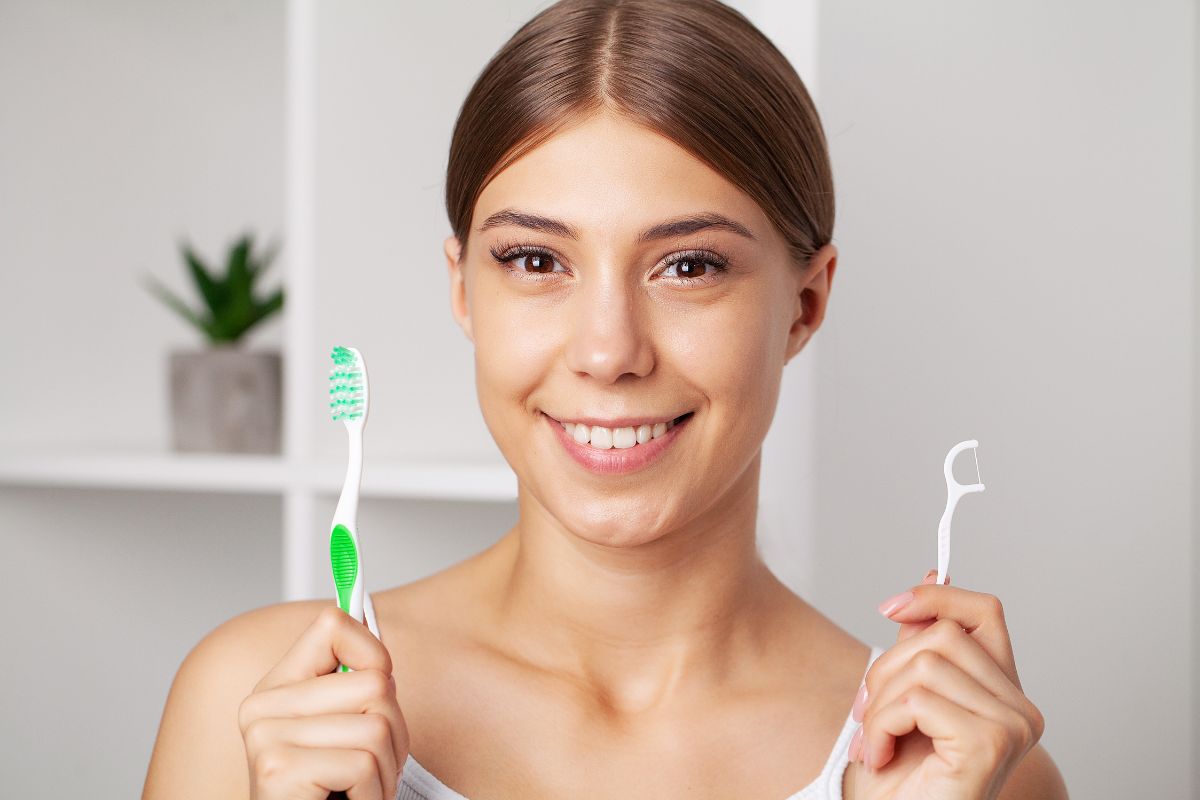
Alignment also plays a direct role in how easily you can clean your teeth. Straight, evenly spaced teeth let a toothbrush and floss reach every surface. Crowded or overlapping teeth create tight pockets and hidden surfaces where a brush simply can’t get in, no matter how careful you are.
Did You Know?
Teeth that overlap by even 1–2 millimeters can trap enough plaque to raise your risk of tooth decay and gum disease in that spot even with a solid brushing routine. Alignment isn’t about perfection; it’s about giving your daily hygiene a fighting chance.
Bite Alignment and Jaw Function
Bite alignment, sometimes called occlusion, refers to how your upper and lower teeth meet when you close your mouth. A misaligned bite forces your jaw muscles and joints to work harder or move at an unnatural angle just to bring your teeth together. Patients with long-standing bite issues often describe jaw fatigue, clicking, or soreness that gradually worsens symptoms that are frequently traced back to alignment, not the jaw joint itself.
Many people are surprised by how much tooth alignment can influence everyday life beyond their smile. If you’ve experienced frequent food getting stuck between teeth, uneven chewing, speech changes, or recurring jaw discomfort, our article “The Hidden Ways Crooked Teeth Can Affect Your Daily Life More Than You Realize” explores several lesser-known ways misalignment can impact daily comfort and long-term oral health.
The Risks: What Crooked Teeth Can Lead To Over Time
None of this happens overnight. Crooked teeth health problems tend to build slowly, which is exactly why they’re easy to dismiss year after year. Left unaddressed, misalignment is associated with a handful of predictable issues:
- Higher cavity risk: overlapping teeth create hard-to-clean surfaces where plaque and tooth decay take hold.
- Gum disease: crowded teeth trap bacteria along the gumline, increasing inflammation and recession risk.
- Uneven enamel wear: certain teeth take on more bite force than they’re designed to handle.
- Jaw strain: an uneven bite can lead to soreness, clicking, or tension headaches over time.
- Speech and chewing difficulty: some alignment issues affect how clearly you speak or how efficiently you chew food.
- Lower confidence: self-consciousness about a smile can quietly affect how often people smile, speak up, or feel comfortable in photos.
The Professional Solution: What Orthodontic Treatment Actually Fixes
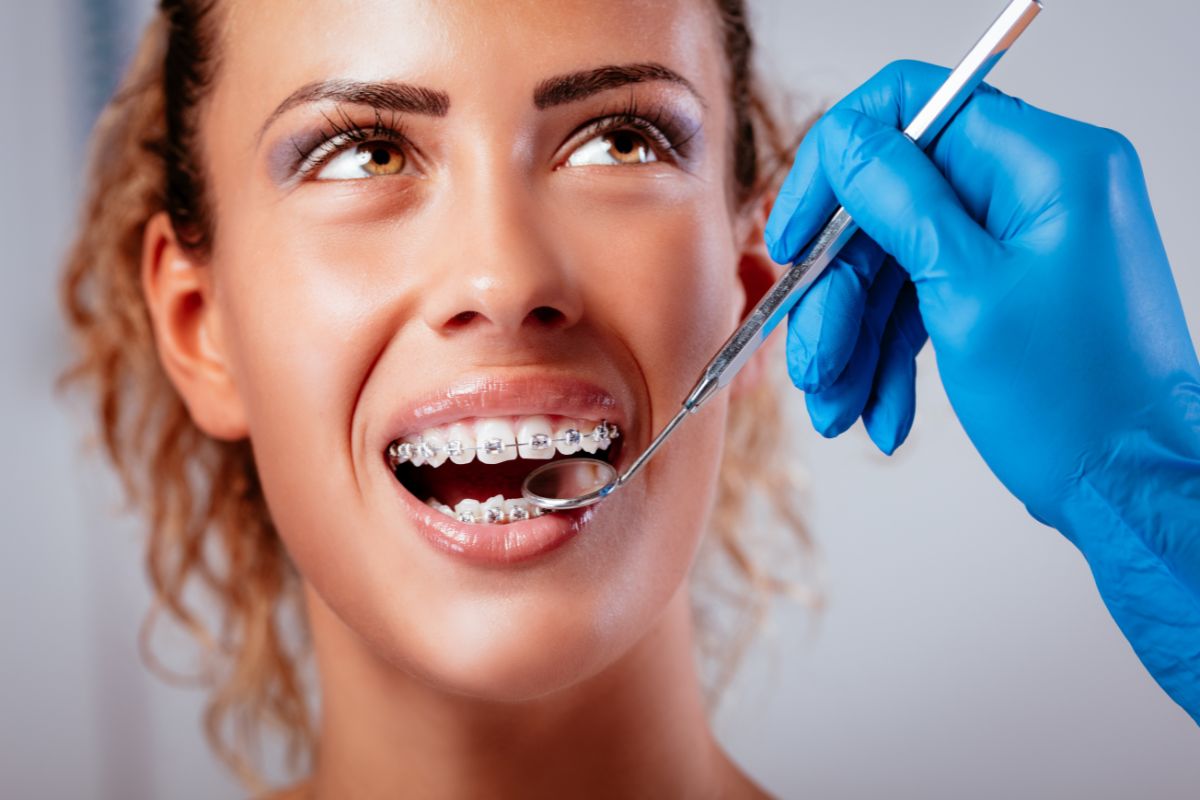
This is where the benefits of orthodontic treatment go beyond appearance. Modern orthodontics, whether traditional braces, clear ceramic braces, or Invisalign-style clear aligners, is designed to correct the underlying position of the teeth and the way the bite comes together, not just how things look in a photo.
Because every mouth is different, a proper treatment plan starts with a full evaluation: digital scans, a look at bite function, and a conversation about goals. From there, an orthodontist maps out how each tooth needs to move gradually and predictably to reach a healthier, more functional position.
Orthodontic treatment is a gradual process, and every smile moves at its own pace. While many patients finish treatment within the expected timeframe, everyday habits can sometimes slow progress. If you’re curious about what influences treatment length, read our guide “Why Some People Wear Braces Longer Than Expected (And the Small Habits Often Responsible),” where we explain the factors that can affect how efficiently teeth move.
Straight Teeth vs. Crooked Teeth: A Quick Comparison
For a fast, side-by-side look at how alignment affects everyday oral health, here’s how straight and crooked teeth typically compare:
| Factor | Straight Teeth | Crooked / Misaligned Teeth |
|---|---|---|
| Cleaning ease | Easier to brush and floss thoroughly | Harder to reach overlapping surfaces |
| Cavity risk | Lower, more evenly distributed | Higher in crowded or overlapped areas |
| Gum health | Even pressure, easier plaque removal | More trapped bacteria, higher inflammation risk |
| Bite force | Distributed evenly across teeth | Concentrated on fewer teeth, uneven wear |
| Jaw comfort | Balanced joint function | Increased strain, clicking, or soreness |
| Long-term outlook | Lower risk of restorative work later | Higher chance of crowns, fillings, or repairs |
Local Authority: Trusted Orthodontic Care in Bel Air
Understanding why alignment matters is one thing. Knowing who to trust with it is another. Families across Bel Air and Harford County have relied on Dr. Joseph LaPonzina, DDS for orthodontic care rooted in patience, clear communication, and treatment plans built around each patient’s actual needs not a one-size-fits-all approach.
Meet Dr. LaPonzina

Dr. Joseph LaPonzina has practiced orthodontics in Bel Air since 1996. He completed his pre-med studies at Villanova University, earned his dental degree from the University of Maryland School of Dentistry, and completed his post-doctoral orthodontic training at the Albert Einstein Medical Center. He is board certified by the National Board of Orthodontics and is a past president of the Harford-Cecil Dental Society.
What that means for patients is straightforward: nearly three decades of experience treating kids, teens, and adults, paired with a philosophy of recommending only the treatment a patient actually needs. Local general dentists throughout the area regularly refer their own families to Dr. LaPonzina’s practice, a sign of trust that’s built one case at a time.
Meet Dr. LaPonzina and learn more about your treatment options, or schedule a consultation to get a personalized read on your bite and alignment.
What Bel Air Families Are Saying
⭐⭐⭐⭐⭐ Sarah E. Gotfredson
“Dr. Joe and his staff have been great to us. Our three girls have gone there and we can tell our son will be too before long. The front desk people are kind and friendly, the financial clerk is helpful and sweet, and Dr. Joe is friendly and competent. Thanks Dr. Joe!!”
Sarah’s experience reflects what many local families appreciate most about our practice, consistent care, a welcoming team, and orthodontic treatment built on trust. Caring for multiple children over the years is a responsibility we never take for granted, and we’re proud to be part of so many families’ smile journeys throughout Bel Air and the surrounding Harford County communities.
Ready to Find Out What Your Bite Needs?
A free consultation with Dr. LaPonzina’s team takes the guesswork out of alignment, no pressure, just a clear picture of your options. Call Us to Schedule Your Free Consultation in Bel Air!
Bring It Together: When Alignment Deserves a Second Look
Straight teeth were never really about the photo. They’re about how well your mouth functions every single day, chewing comfortably, cleaning effectively, and keeping pressure on your jaw joint balanced instead of concentrated in the wrong places. If you’ve been putting off a conversation about alignment because it feels purely cosmetic, this is the sign to take a closer look.
Frequently Asked Questions
Q: Are straight teeth really healthier, or is that just marketing?
A: It’s backed by function, not marketing. Straight teeth distribute bite force evenly, are easier to clean thoroughly, and reduce the tight spaces where plaque and bacteria build up all of which lower long-term risk for cavities and gum disease.
Q: Can crooked teeth actually cause gum disease?
A: Yes, indirectly. Crowded or overlapping teeth create hidden surfaces that are difficult to clean even with consistent brushing and flossing. That trapped plaque is a leading contributor to gum inflammation and, over time, gum disease.
Q: Is orthodontic treatment only about appearance?
A: No. While a straighter smile is a visible result, the primary goals of orthodontic treatment are proper bite alignment, even chewing function, and easier long-term oral hygiene. Appearance is a benefit not the only reason to treat.
Q: How do I know if my teeth are crooked enough to need treatment?
A: There’s no universal cutoff, it depends on how the bite functions, not just how straight teeth look. An orthodontic evaluation, including digital scans, is the most reliable way to see whether alignment is affecting your oral health.
Q: Can adults benefit from straightening their teeth, or is it too late?
A: It’s rarely too late. Many adults in Bel Air pursue orthodontic treatment, often with Invisalign-style clear aligners, to address issues that were never corrected in childhood or that have shifted with age.
Q: Does bite alignment affect jaw pain or headaches?
A: It can. An uneven bite forces the jaw muscles and joint to work harder to bring teeth together, which some patients experience as soreness, clicking, or tension that radiates toward the temples over time.
Q: How long does orthodontic treatment usually take?
A: Timelines vary by case, but many patients complete treatment within 12–24 months, depending on the extent of the misalignment and the type of treatment chosen.