2103 Laurel Bush Rd, Bel Air, MD 21015



You catch yourself doing it in every photo, the closed-mouth smile, the slight turn of the head, the quick habit of covering your mouth when you laugh a little too hard. Maybe you’ve done it for years. Maybe you told yourself braces were a “kid thing,” something you missed your window for back in high school. As a result, orthodontic treatment keeps getting pushed further down your priority list.
Here’s the truth most adults don’t hear often enough: it isn’t too late. But waiting does have a cost, and it’s rarely just about how your smile looks in a photo.
The Problem: Why So Many Adults Put Off Orthodontic Treatment
If you’ve been putting off a straighter smile, you’re in good company. A large share of orthodontic patients today are adults, not teenagers. But knowing you’re not alone doesn’t make the hesitation disappear. Most adults who delay treatment fall into one of three patterns.
The “I’m Too Old for This” Myth
There’s no expiration date on orthodontic treatment. Teeth can move at nearly any age as long as the gums and supporting bone are healthy. Adults in their 30s, 40s, 50s and beyond complete treatment successfully every year — the biology doesn’t change nearly as much as people assume.
Putting Everyone Else’s Needs First
Between work, kids, aging parents, and everything in between, a straighter smile can feel like the least urgent item on the list. It’s easy to keep pushing it to “someday” when there’s always something else that feels more pressing right now.
The Quiet Fear of Cost or Commitment
Some adults picture months of visible metal brackets and assume treatment will be disruptive to their career or social life. Modern options have changed that picture considerably, but the outdated image sticks around and keeps people from even booking a consultation to ask questions.
Why This Actually Matters – Beyond the Cosmetic Concern
Crooked or misaligned teeth aren’t only a cosmetic issue. Bite alignment affects how evenly force is distributed when you chew, how easy your teeth are to clean, and how your jaw joint functions over time. When teeth overlap or sit at odd angles, plaque and food particles hide in places a toothbrush and floss can’t fully reach.
| Did You Know? Misaligned teeth don’t just affect appearance – they can make certain areas of your mouth significantly harder to clean, which raises the long-term risk of tooth decay and gum disease around the crowded teeth. |
What Waiting Can Cost You Down the Road
Orthodontic issues rarely stay the same size forever. Left alone, they tend to gradually shift in ways that create new problems on top of the original one. Adults who wait years to address bite or spacing issues often notice:
- Uneven enamel wear on teeth that bear more pressure than they should
- Gum recession around crowded or overlapping teeth
- Jaw tension, clicking, or soreness linked to bite misalignment
- More frequent cavities in tight, hard-to-clean spaces
- A bite that continues to shift, sometimes making future treatment more involved
None of this means treatment becomes impossible later – it usually just means the path back to a healthy, comfortable bite takes a little more time and care the longer it’s put off.
Not every orthodontic problem is obvious, and many adults don’t realize their symptoms point to an issue that deserves professional attention. If you’re unsure whether your bite or tooth alignment should be evaluated, our guide on 7 Warning Signs You Shouldn’t Delay Orthodontic Treatment Any Longer explains the subtle signs many adults overlook before seeking care.
The Professional Solution: Matching Treatment to Your Life
This is where adult orthodontic treatment looks nothing like the experience you may remember from your teenage years. Today’s options are built around discretion, comfort, and a treatment timeline that respects a full adult schedule – work meetings, date nights, and all.
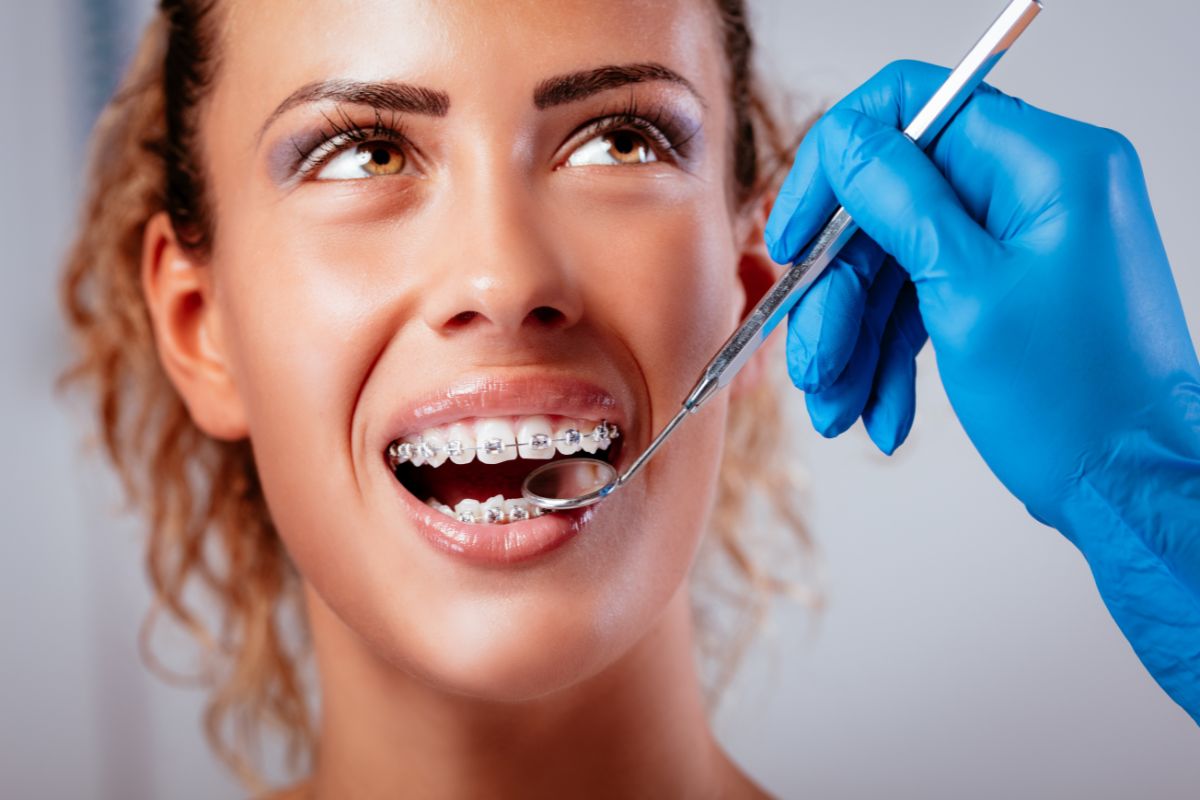
At a consultation, an orthodontist evaluates your bite, spacing, and oral health, then walks you through which option fits your goals. For most adults, that conversation lands on one of three paths:
| Treatment Option | Best For | Average Treatment Time | Visibility |
| Traditional Metal Braces | Adults with complex bite or alignment issues | 18–30 months | Visible |
| Clear Ceramic Braces | Adults who want a lower-profile option with braces-level control | 18–30 months | Low visibility |
| Clear Aligners (Invisalign) | Adults with mild-to-moderate crowding or spacing who want flexibility | 12–18 months | Nearly invisible |
Every mouth moves a little differently, so the timelines above are averages, not guarantees. A consultation is the only way to know which option and which timeline applies to your specific bite.
Every smile is different, and the best treatment depends on your bite, daily routine, and personal goals. If you’re still comparing your options, explore How to Choose the Right Orthodontic Treatment for Your Lifestyle in Bel Air for a closer look at which treatment may suit your needs.
Meet Dr. Joe LaPonzina

Dr. Joseph LaPonzina has spent his career helping patients of every age feel good about their smile, and he’s the go-to orthodontist for more than 30 referring dentists across the Bel Air area. His approach is simple: listen first, explain everything clearly, and build a plan around the life the patient is actually living.
Schedule a consultation now!
⭐⭐⭐⭐⭐ Megan Grammer
Dr. Laponzina and his team are the best. Very professional but genuine. They did my braces years ago. My teeth ended up shifting slightly only where I would notice (my fault for not wearing my retainer) and Dr. Laponzina told me if it were him he wouldn’t spend the money since it was minor. I appreciated that he wasn’t just looking for a buck and actually gave me his honest opinion. I ended up getting them anyways and the process was nothing but smooth and my teeth look great! Thank you Dr. L and your team.
Ready to Stop Wondering “What If”?
A consultation costs you nothing but a little time, and it answers the question you’ve been sitting with for a while now. Find out exactly what your options look like. Call us to schedule an appointment!
Frequently Asked Questions
1. Is it too late for braces as an adult?
No. As long as your gums and jawbone are healthy, teeth can be moved at nearly any age. Many adults begin orthodontic treatment in their 30s, 40s, 50s, and beyond with excellent results.
2. What’s the best age for adult orthodontic treatment?
There isn’t a single “best” age. The most important factors are the health of your gums, teeth, and supporting bone. A consultation with an orthodontist can determine whether you’re a good candidate for treatment.
3. How long does Invisalign take for adults?
Most adult Invisalign or clear aligner treatments take between 12 and 18 months. However, mild cases may finish sooner, while more complex bite corrections can require additional time.
4. Are adult braces different from teen braces?
The braces themselves are similar, but adult orthodontic treatment often requires more personalized planning to account for previous dental work, gum health, and long-standing bite issues.
5. Will waiting longer make my bite worse?
It can. Bite problems often progress gradually over time, leading to issues such as uneven tooth wear, jaw discomfort, crowded teeth, and more complex orthodontic needs if left untreated.
6. Can crooked teeth actually cause other dental problems?
Yes. Crowded or misaligned teeth can be harder to clean effectively, increasing the risk of plaque buildup, tooth decay, gum disease, and uneven enamel wear over time.
7. Is clear aligner treatment as effective as traditional braces for adults?
For many adults with mild to moderate spacing or crowding, clear aligners can be just as effective as traditional braces. More complex bite corrections may require metal or ceramic braces, which your orthodontist will discuss during your consultation.
8. What happens during an adult orthodontic consultation?
Your orthodontist will evaluate your bite, tooth alignment, and overall oral health, discuss your smile goals, and recommend the most suitable treatment options. You’ll also receive an estimated treatment timeline and have the opportunity to ask questions before making any decisions.