2103 Laurel Bush Rd, Bel Air, MD 21015


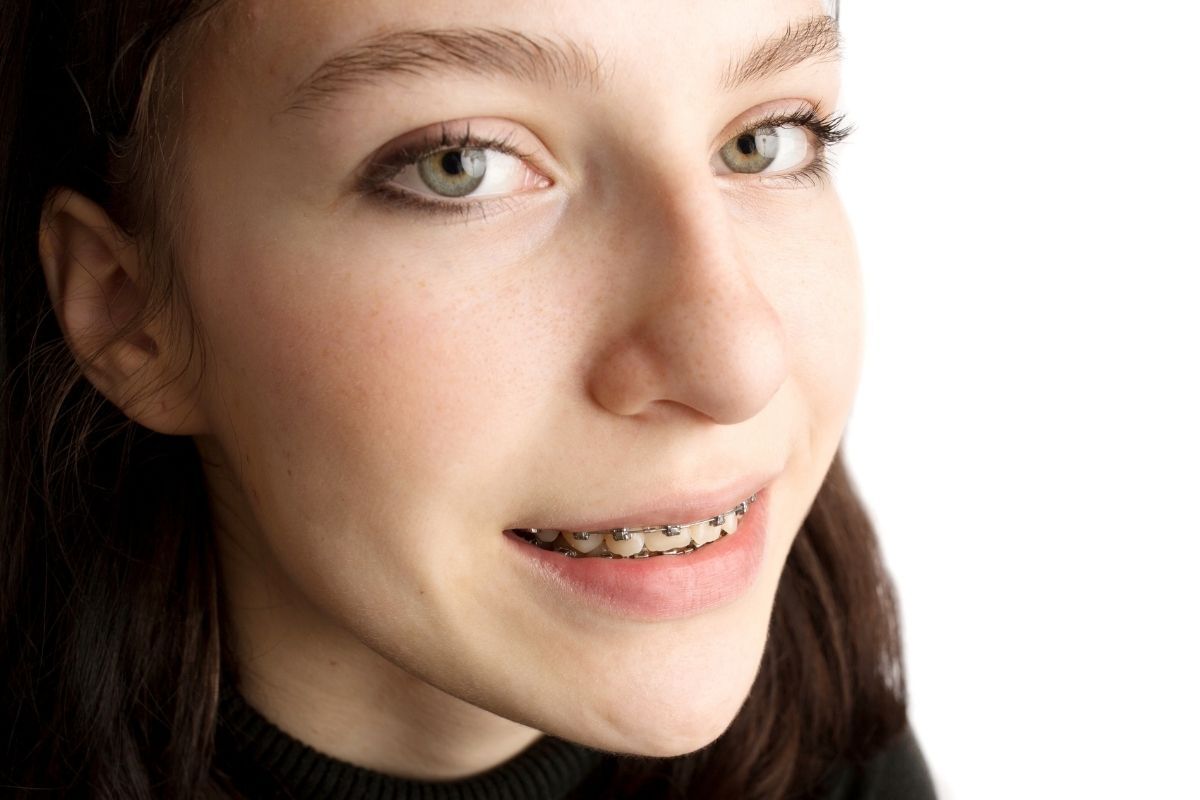
You had braces. You wore your retainer, mostly. For years, your smile looked exactly the way your orthodontist promised. Then, somewhere between college, a new career, and maybe kids of your own, you caught your reflection and noticed something unsettling your bottom teeth aren’t quite as straight as they used to be. A small gap has opened. One tooth is edging in front of the next.
If that sounds familiar, you’re not imagining it, and you didn’t do anything wrong. Teeth shifting with age is one of the most common and most misunderstood realities of adult dental health. It happens to people who never had orthodontic treatment at all, and it happens to former braces patients across Bel Air and Harford County, too.
This isn’t about undoing your teenage treatment. It’s about understanding what’s actually happening inside your mouth as you get older, why it matters for more than appearance, and what can be done about it now.
Your Smile Was Never Designed to Stay Frozen in Place
Teeth Are Living, Moving Structures – Not Fixed in Stone
It’s easy to think of teeth as permanent fixtures, like tile set in grout. In reality, each tooth is held in place by a network of ligament fibers connecting it to the jawbone. That connection is flexible by design — it’s what allows orthodontic treatment to work in the first place. But that same flexibility means teeth keep responding to pressure, growth, and change for your entire life, not just during your treatment years.
It’s Not Just You
Ask almost any orthodontist and you’ll hear the same thing: some degree of lower front tooth crowding by the 40s or 50s is close to universal, whether or not a patient ever wore braces. Genetics, jaw growth patterns, and everyday habits all play a role — and Bel Air patients are no exception to this natural process.
Why Teeth Keep Moving Long After Braces Come Off
Mesial Drift — The Lifelong Forward Push
Every time you chew, a small forward force nudges your teeth toward the front of your mouth, tooth by tooth, year after year. This is called mesial drift, and it’s a normal part of aging teeth. Over decades, that tiny, repeated pressure is enough to gradually crowd the lower front teeth, even in patients whose bite was perfectly aligned in their twenties.
Jawbone and Gum Changes That Come With Aging
As we age, bone density and gum tissue naturally change. Slight bone remodeling and gum recession can loosen the support around a tooth just enough for it to shift under normal biting forces — a process that has nothing to do with how well your braces worked and everything to do with the aging process itself.
Muscle Pressure From Lips, Cheeks, and Tongue
Your teeth sit in a constant balance of pressure between your tongue pushing outward and your lips and cheeks pushing inward. Habits that develop over time — mouth breathing, teeth clenching, a shifted tongue posture, even a new sleeping position — can quietly tip that balance and nudge teeth out of place.
| Did You Know? Even patients who wore their retainers faithfully for the first two years after braces can still see gradual shifting decades later. A retainer holds a position — it doesn’t stop the natural aging process happening underneath it. |
What Happens When Shifting Goes Unchecked
A little movement over the years is normal and rarely urgent on its own. But left unaddressed, ongoing shifting can create problems that go beyond how your smile looks in photos:
- Increased crowding makes flossing and brushing harder, raising the risk of decay and gum disease.
- Bite misalignment can strain jaw muscles and contribute to headaches or jaw discomfort.
- New contact points between crowded teeth are more prone to chipping and uneven wear.
- Confidence in your smile can quietly erode, even when the change feels small to everyone else.
- Waiting longer usually means a more involved fix later, instead of a simple tune-up now.
For patients who are still considering orthodontic treatment, waiting can sometimes allow alignment problems to become more complicated over time. Read: “What Delaying Braces for One More Year Could Really Cost Your Smile.”
Retainer Habits and What They Typically Mean for Your Smile
Retainers are only part of protecting your orthodontic results. The everyday habits you maintain after treatment can also influence how well your smile stays aligned over time. Read: “The Everyday Habits That Keep Your Smile Looking Perfect Long After Braces Come Off.”
| Retainer Habit | What Usually Happens | Relapse Risk |
|---|---|---|
| Worn nightly for 2+ years, then a few nights per week | Smile holds its position with only minor natural changes over time | Low |
| Worn consistently at first, then stopped completely | Gradual crowding often becomes noticeable within 3–5 years | Moderate to High |
| Lost or broken and never replaced | Teeth can begin drifting within months, especially the lower front teeth | High |
| No past orthodontic treatment | Natural aging-related shifting still occurs, often starting in the 30s–40s | Expected, varies |
How an Orthodontist Helps You Manage Shifting Teeth at Any Age
Noticing movement doesn’t automatically mean starting treatment over from scratch. For most adult patients, managing teeth shifting with age comes down to a short evaluation and one of a few targeted options — from a simple new retainer to a brief course of clear aligners that fine-tune the position without the time commitment of full treatment.
The right next step depends on how much movement has occurred, how your bite is functioning, and what your goals are. Here’s where most patients start:
- Schedule a retainer check, even if it’s been years since your last orthodontic visit.
- Ask about a short clear aligner refresh instead of full retreatment.
- Have your bite evaluated if you notice new clicking, soreness, or uneven wear.
- Replace a lost or cracked retainer before more movement has a chance to happen.
- Bring old dental records or a smile photo from after treatment as a helpful comparison point.
If you’re considering orthodontic treatment again—or starting treatment for the first time—knowing what to ask before getting started can make the process much clearer. Read: “10 Questions Patients Wish They Had Asked Before Starting Braces Treatment.”
Orthodontic Care Bel Air Families Have Trusted Since 1996
Dr. Joseph LaPonzina Orthodontics has been part of the Bel Air community since 1996, and many of the adults walking through the door on Laurel Bush Rd today were patients here themselves as teenagers — some are now bringing in their own kids. That kind of multi-generational relationship gives the practice a close, ongoing view of how smiles really change over a lifetime, not just during the two or three years of active treatment. Call us to book an appointment!
⭐⭐⭐⭐⭐ Rebecca Rineholt
Everyone in the office greeted us with a smile. Of course, schedules get busy and we had a little bit of waiting before we had our consultation. But we were checked in on a few times to make sure we were doing good. That was nice. The wait was definitely worth it. Dr. Joseph was fantastic. I loved that he addressed our daughter since it his her mouth that will be get the work done on. He talked to her so she could understand what to expect and gave her all the details needed to be ready for her braces. And of course, answered my few questions too. The Billing department was just as nice, you really felt like you have been going there your whole life. We cannot wait to start this process with you. And give our daughter the best smile she can possibly have.
| Notice Your Smile Has Shifted? Let’s Take a Look. If your teeth feel different than they did right after treatment, a quick evaluation can tell you whether a simple retainer refresh is all you need. Schedule Your Consultation! |
Frequently Asked Questions
1. Why do teeth shift back after braces?
Teeth shift after braces because the ligaments and bone holding them continue to respond to chewing pressure, muscle habits, and natural aging for the rest of your life—not just during treatment. Consistent retainer wear helps slow this process but does not stop it completely.
2. Is it normal for teeth to move even with a retainer?
Yes. A retainer helps hold your teeth in their treated position, but small amounts of movement can still occur over the years as bone, gum tissue, and bite forces naturally change with age.
3. Can teeth shift if I never had braces?
Absolutely. Teeth can shift as people age even without a history of orthodontic treatment. Lower front tooth crowding is particularly common and can develop gradually because of natural tooth movement, jaw changes, and other forces within the mouth.
4. How long after braces can teeth start moving again?
It varies from person to person. Some patients may notice changes within a few years if they stop wearing their retainers, while others may experience gradual shifting over many years despite consistent retainer use. Long-term retention is important for maintaining orthodontic results.
5. Do I need braces again if my teeth have shifted?
Not necessarily. Depending on how much your teeth have moved, you may be able to address minor changes with a replacement retainer or a short course of clear aligners. An orthodontic evaluation can determine which option is appropriate for your smile and bite.
6. What is orthodontic relapse?
Orthodontic relapse refers to teeth moving away from their corrected positions after orthodontic treatment. It can happen because of inconsistent retainer wear as well as natural changes in the teeth, supporting tissues, bite, and jaw over time.
7. Can adults get Invisalign to fix minor tooth shifting?
Yes. Invisalign and other clear aligner systems can often be used to correct minor alignment changes in adults. Treatment depends on the amount of shifting, your bite, and your overall orthodontic needs.
8. How often should I replace my retainer?
Retainers can last for several years with proper care, but they may need to be replaced sooner if they become cracked, damaged, loose, uncomfortable, or no longer fit properly. Replacing a damaged or lost retainer promptly can help prevent additional tooth movement.