2103 Laurel Bush Rd, Bel Air, MD 21015


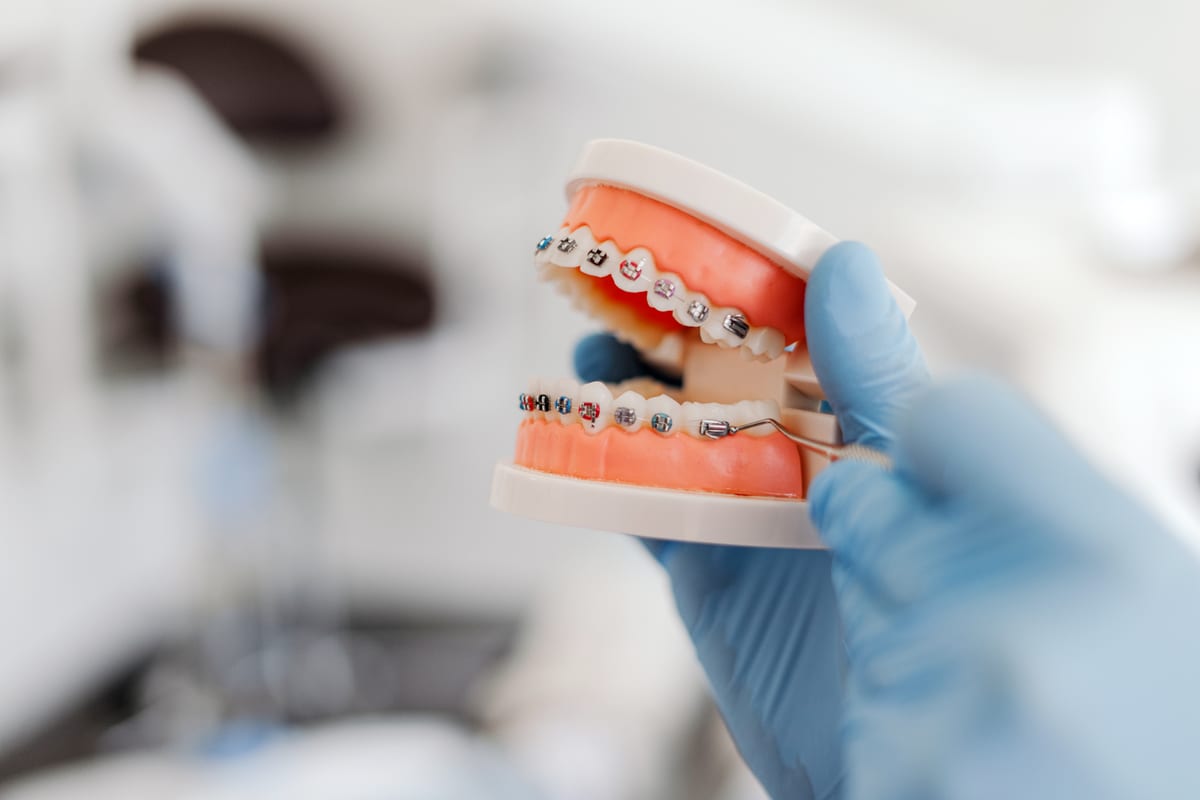
Starting orthodontic treatment is a big decision. It is completely normal to have questions before you commit. At Dr. Joseph Laponzina, DDS, we hear the same concerns from new patients every week. These five questions new patients ask before starting braces in Bel Air capture what most families want to know. We want you to feel informed, confident, and ready before your first appointment.
Question 1: Am I a Good Candidate for Braces in Bel Air?
This is the most common question we receive. Braces can treat a wide range of issues, including crowding, spacing, overbites, underbites, and crossbites. Most patients between the ages of 10 and adulthood qualify for traditional braces. The best way to know for certain is a thorough consultation.
During your first visit, Dr. LaPonzina evaluates your teeth, jaw alignment, and overall oral health. X-rays and photos help build a complete picture of your smile. From there, he recommends the treatment path that fits your unique needs. Some patients may be better suited for Invisalign Bel Air instead of traditional brackets.
The earlier orthodontic issues are caught, the easier they often are to correct. However, adults can also benefit greatly from braces. Age is rarely a barrier to achieving a straighter, healthier smile.
Question 2: How Long Will Treatment Take?
Treatment length varies from patient to patient. Most people wear traditional braces for 12 to 24 months. Some cases with mild crowding may finish sooner. Complex bite issues may require longer treatment.
Several factors influence your timeline:
- The severity of misalignment or crowding
- Your age and how your teeth respond to movement
- How consistently you follow care instructions
- Whether you attend regular adjustment appointments
- The type of braces you choose
Dr. LaPonzina gives every patient a realistic estimate during the consultation. He updates that estimate as your treatment progresses. Transparency is a priority at our Bel Air practice, so you are never left guessing.
Question 3: Will Braces Hurt?
This question comes up in nearly every new patient conversation. Braces do cause some discomfort, especially in the first week. Your teeth and gums are not used to the pressure of the brackets and wires. That said, the discomfort is usually mild and manageable.
Most patients describe the sensation as pressure rather than pain. After each adjustment appointment, soreness may last one to three days. Over-the-counter pain relievers like ibuprofen can help. Soft foods like yogurt, mashed potatoes, and soup make those first days easier.
The discomfort decreases significantly as your mouth adjusts. Within two to three weeks, most patients barely notice their braces. Dr. LaPonzina and his team guide you through every stage so you know exactly what to expect.
Question 4: What Foods Do I Have to Avoid?
Diet changes are one of the biggest lifestyle adjustments with braces. Certain foods can damage brackets, bend wires, or get stuck in ways that are hard to clean. Protecting your hardware keeps your treatment on track and your teeth healthy.
Here are the foods to avoid during braces treatment:
- Hard foods: nuts, hard candy, ice, raw carrots
- Sticky foods: caramel, gummy bears, taffy, chewing gum
- Crunchy snacks: popcorn, pretzels, hard chips
- Chewy breads: bagels and hard rolls
- Biting directly into: apples, corn on the cob, and whole pears
You can still enjoy most of your favorite foods with small adjustments. Cut apples into wedges. Slice corn off the cob. Cook vegetables until tender. These small habits protect your braces and keep treatment moving forward smoothly.
Question 5: How Much Do Braces Cost and What Payment Options Exist?
Cost is a realistic concern, and we appreciate that patients ask about it directly. Braces pricing depends on the complexity of your case and the type of treatment you choose. Traditional metal braces are typically the most affordable option. Clear ceramic braces and Invisalign may come at a higher price point.
At Dr. Joseph Laponzina, DDS, we believe financial concerns should never prevent someone from pursuing a healthy smile. Our team works with patients to find a payment approach that fits their budget. We offer flexible financing options to spread the cost over time.
We encourage you to discuss your questions openly during your consultation. Our team at Contact Bel Air is happy to walk you through the financial side before you commit to anything. Getting clear answers upfront helps you plan with confidence.
What to Expect at Your First Braces Consultation in Bel Air
Many patients feel anxious before their first visit. Knowing what will happen helps ease that nervousness. Your consultation is a conversation, not a commitment. You leave with information, not pressure.
Here is what typically happens during your first appointment:
- Dr. LaPonzina reviews your dental and medical history
- A clinical exam assesses your bite, spacing, and jaw alignment
- X-rays and digital photos are taken for a full evaluation
- Treatment options are explained clearly in plain language
- You receive a personalized treatment plan and cost estimate
You are encouraged to ask every question you have. No question is too basic or too detailed. Dr. LaPonzina and his team take the time to make sure you understand your options completely before moving forward.
Ready to Start Your Braces Journey in Bel Air?
Choosing braces is a meaningful investment in your health and confidence. Dr. Joseph LaPonzina has guided many Bel Air patients through this exact process. His approach is patient-centered, educational, and built on honest communication. You deserve to feel fully prepared before treatment begins.
If you still have questions or want to speak with someone on our team, we are ready to help. Taking the first step is often the hardest part. Book Now to schedule your appointment with our team.
Frequently Asked Questions
How do I know if I need braces or Invisalign?
Both options can correct most common alignment issues. Braces work well for complex bite problems. Invisalign is often preferred for mild to moderate cases and offers a more discreet look. Dr. LaPonzina evaluates your specific needs and recommends the best fit during your consultation.
At what age should my child get braces?
Most orthodontists recommend a first evaluation around age seven. This allows early identification of potential issues. Active braces treatment typically begins between ages 10 and 14 when most permanent teeth have come in. Adults can also benefit from braces at any age.
How do I keep my teeth clean with braces?
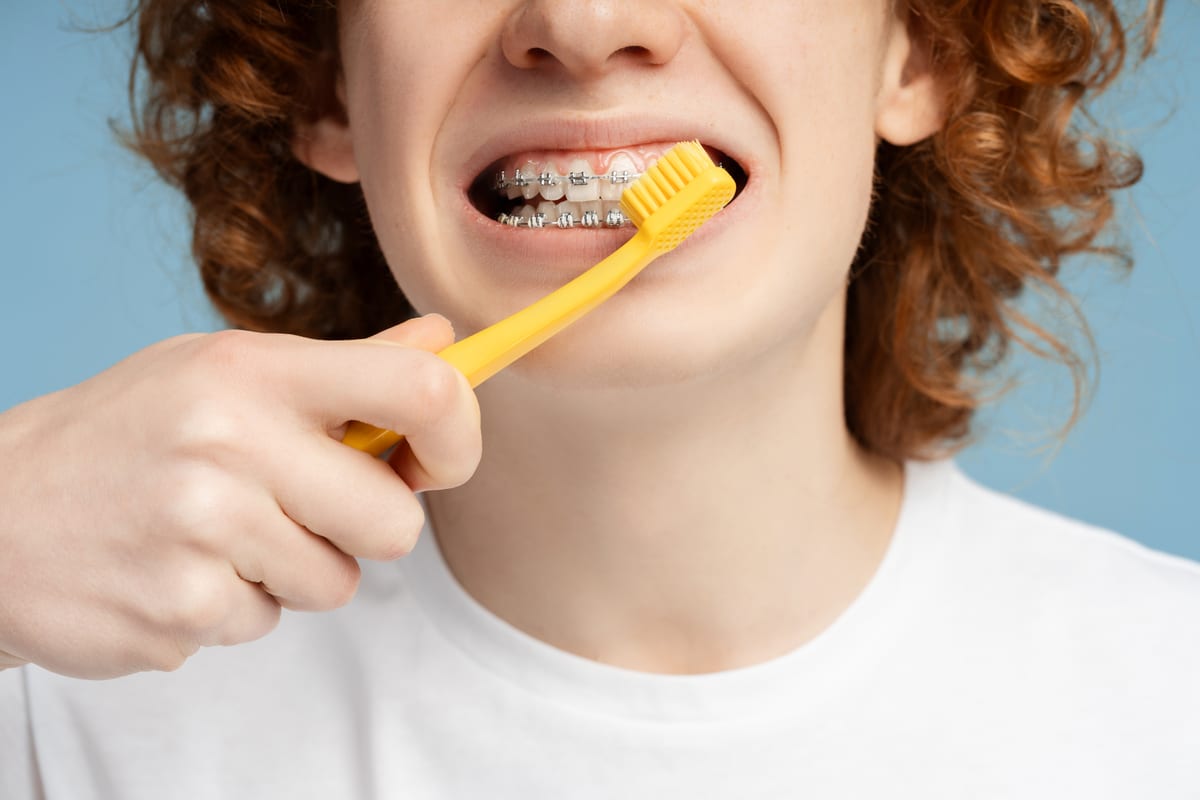
Brushing and flossing become more important during treatment. Use a soft-bristled toothbrush and brush after every meal. Floss threaders or water flossers make cleaning between brackets easier. Regular checkups with your general dentist should continue throughout orthodontic treatment.
Will I need a retainer after braces?
Yes. Retainers are an essential part of keeping your results long-term. After your braces come off, teeth naturally want to shift back toward their original position. Dr. LaPonzina provides a custom retainer and explains exactly how long and how often to wear it.
Can adults get braces in Bel Air?
Absolutely. Adult orthodontics is more common than ever. There is no age limit for straightening your teeth. Many adults in Bel Air choose braces or Invisalign to correct issues they have had for years. Dr. LaPonzina welcomes patients of all ages at his practice.