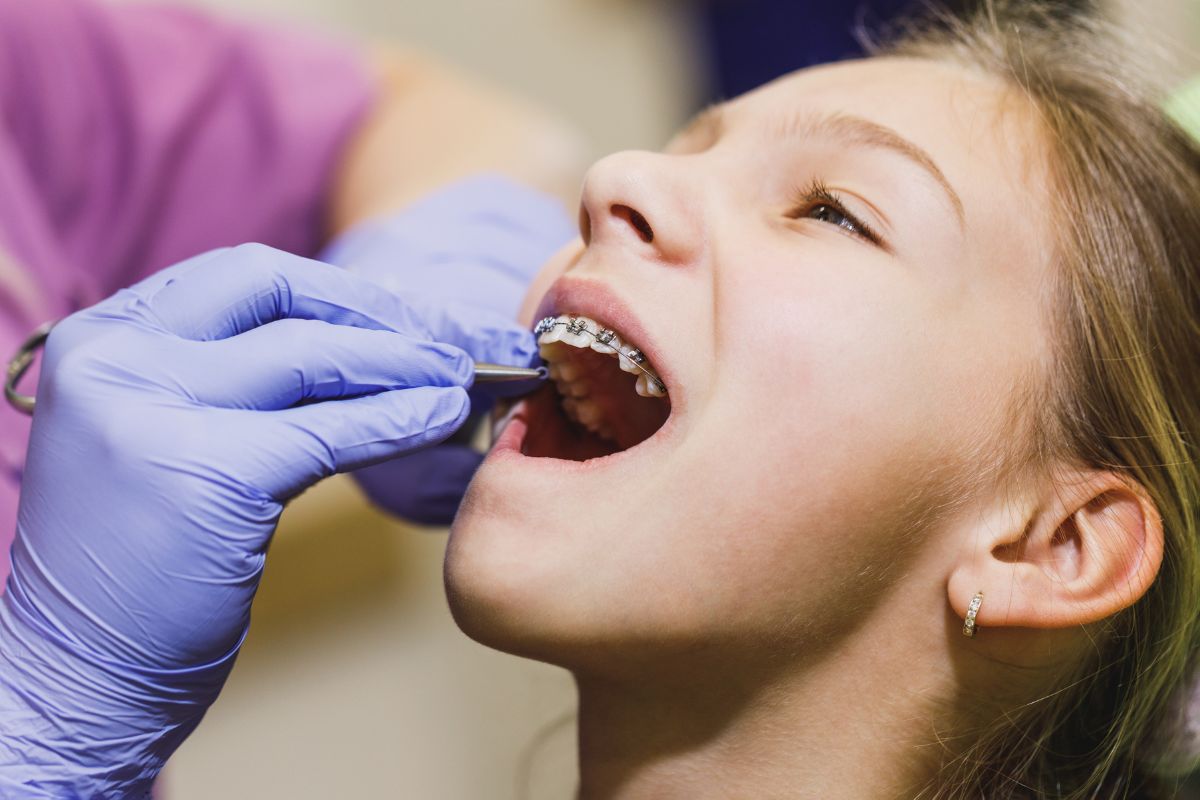
2103 Laurel Bush Rd, Bel Air, MD 21015


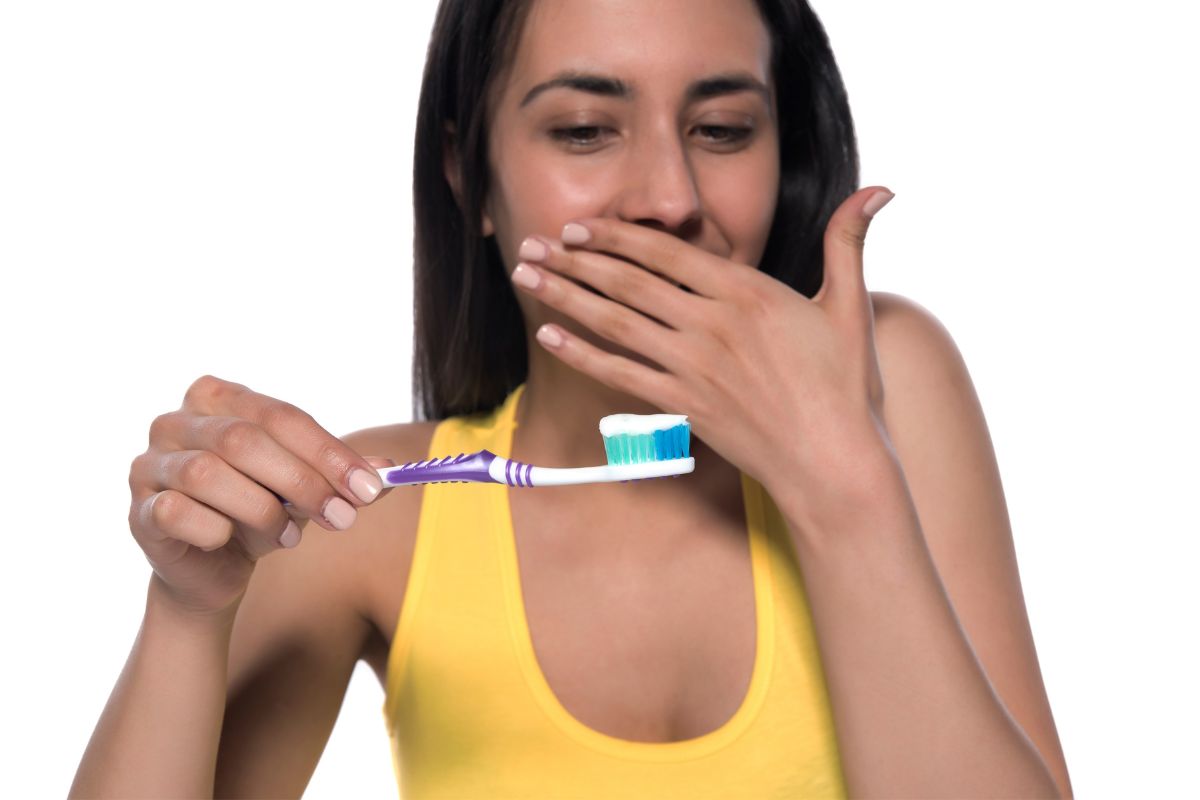
Brushing your teeth regularly is one of the best ways to keep your breath fresh. But if you wear braces, you may still notice an unpleasant smell or taste even after brushing. This can be frustrating, especially when you are making an effort to maintain good oral hygiene.
The reason is often that braces create extra places where food particles and plaque can collect. Understanding what causes bad breath during orthodontic treatment can help you improve your cleaning routine and protect your teeth and gums.
Why Can Braces Cause Bad Breath?
Braces do not directly cause bad breath. However, brackets, wires, and other orthodontic components can make it harder to remove food debris and plaque from every surface of your teeth.
When bacteria break down trapped food particles, they can release unpleasant-smelling compounds. If plaque continues to build up, it can also contribute to gum inflammation, cavities, and other oral health concerns.
Even if you brush twice a day, missing certain areas around your braces may allow bacteria to remain in your mouth.
5 Common Reasons for Bad Breath With Braces
1. Food Particles Trapped Around Brackets
Small pieces of food can become stuck around brackets and beneath orthodontic wires. Foods such as bread, meat, and fibrous vegetables may be particularly difficult to remove.
When these particles remain in your mouth, bacteria can break them down and contribute to unpleasant breath. Carefully cleaning around each bracket after meals can help prevent this buildup.
2. Plaque Buildup Along the Gumline
Plaque is a sticky film containing bacteria that forms on teeth throughout the day. Braces can make it harder to clean the areas around brackets and near the gumline, allowing plaque to accumulate.
If plaque is not removed regularly, your gums may become red, swollen, or prone to bleeding. Gum inflammation can also contribute to persistent bad breath.
3. Not Cleaning Between Your Teeth
A toothbrush cannot always reach the tight spaces between teeth, even when you brush carefully. Food particles and plaque can remain in these areas, creating another source of unpleasant odors.
Flossing daily is important during orthodontic treatment. Orthodontic floss threaders or interdental brushes can help you clean around wires and between teeth more effectively.
4. Dry Mouth
Saliva helps wash away food particles and neutralize acids produced by oral bacteria. When your mouth does not produce enough saliva, bacteria and odor-causing compounds may accumulate more easily.
Dehydration, certain medications, and breathing through your mouth can contribute to dry mouth. Drinking water regularly and following your orthodontist’s oral hygiene instructions may help.
5. Gum Problems or Tooth Decay
Persistent bad breath may sometimes indicate a dental problem rather than an issue with brushing technique alone. Plaque buildup around braces can increase the risk of cavities and gum inflammation if oral hygiene is inadequate.
If you notice ongoing bad breath along with bleeding gums, tooth pain, swelling, or a persistent unpleasant taste, schedule an examination with your dentist.
How Can You Prevent Bad Breath While Wearing Braces?
A consistent cleaning routine can help keep your mouth fresh throughout orthodontic treatment.
- Brush carefully after meals: Clean around every bracket, along the gumline, and on all tooth surfaces. Use a soft-bristled toothbrush.
- Floss every day: Use floss threaders or orthodontic flossing tools to clean between teeth and beneath wires.
- Try an interdental brush: These small brushes can help remove food debris from areas around brackets that are difficult to reach.
- Drink plenty of water: Staying hydrated helps support normal saliva production.
- Clean your tongue: Bacteria can collect on the tongue’s surface and contribute to bad breath.
- Keep up with dental cleanings: Regular visits to your general dentist help remove hardened deposits and identify developing problems.
Mouthwash may provide temporary freshness, but it should not replace brushing, flossing, or professional dental care.
When Should You Seek Professional Advice?
If bad breath continues despite careful brushing and flossing, it is worth having your teeth and gums checked. Persistent odor can sometimes be associated with gum disease, tooth decay, dry mouth, or other oral health conditions.
Your orthodontist can also help you review your cleaning technique and identify areas that need more attention around your braces.
At Dr. Joseph LaPonzina Orthodontics in Bel Air, MD, patients receive personalized guidance throughout orthodontic treatment. If you are struggling to keep your mouth fresh while wearing braces, contact the office for advice on maintaining a healthy smile.
Frequently Asked Questions
1. Is bad breath normal when you first get braces?
Some patients notice changes in their oral hygiene routine after getting braces. Food and plaque can collect around brackets, but persistent bad breath should not be ignored. Careful cleaning can help reduce the problem.
2. Why does my breath smell bad even after brushing with braces?
Your toothbrush may not be reaching the spaces around brackets, beneath wires, or between teeth. Plaque, trapped food, dry mouth, and gum problems can also contribute to lingering odors.
3. Does mouthwash help with bad breath from braces?
Mouthwash may temporarily freshen your breath, but it cannot remove all trapped food or plaque. Use it as a supplement to brushing and flossing, following your dentist’s recommendations.
4. Can braces cause gum disease?
Braces do not directly cause gum disease, but plaque buildup around orthodontic appliances can increase the risk of gum inflammation. Consistent oral hygiene and professional cleanings are important during treatment.
5. How often should I brush my teeth with braces?
Brush at least twice daily and ideally after meals when possible. Clean carefully around brackets and wires, and floss every day to remove plaque from between your teeth.
6. When should I see a dentist for bad breath?
If bad breath persists despite good oral hygiene, or you notice bleeding gums, swelling, tooth pain, or a persistent unpleasant taste, schedule a dental examination to identify the cause.