2103 Laurel Bush Rd, Bel Air, MD 21015


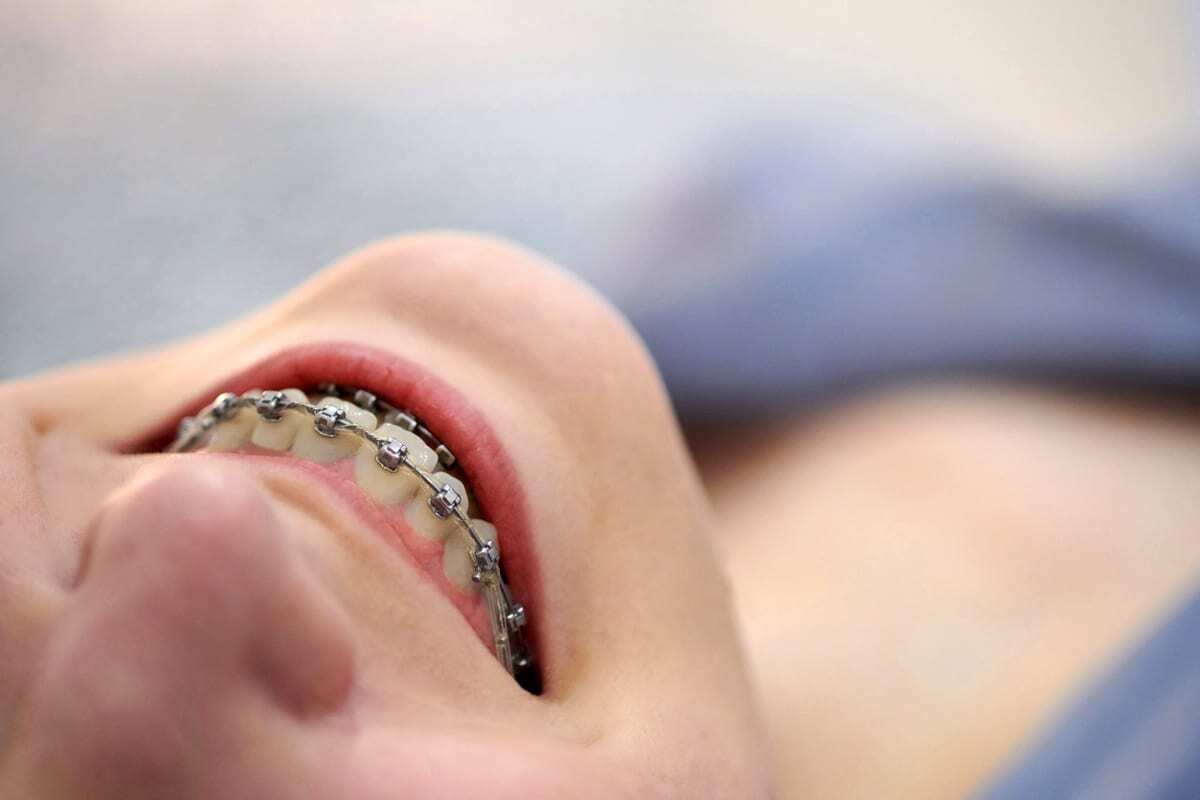
Your braces results can last a lifetime—here’s how Bel Air patients are keeping their smiles straight for decades. Getting braces is a major commitment of time and effort. But the real question most patients ask is: how long will these results actually last? The answer depends on choices you make every day after treatment ends.
At Dr. Joseph LaPonzina, DDS, we see patients who finished orthodontic treatment years ago and still have beautifully aligned smiles. We also see patients whose teeth have shifted more than expected. The difference almost always comes down to a few key habits and decisions. Understanding those habits now can protect your investment for life.
Why Braces Results Don’t Always Last Forever in Bel Air
Teeth are not permanently fixed in place. Even after braces, teeth have a natural tendency to shift back toward their original positions. This movement is called relapse, and it is one of the most common concerns among orthodontic patients.
Several factors can speed up this process. Age plays a role, since our jawbones continue to develop into early adulthood. Grinding or clenching your teeth creates pressure that moves teeth over time. Even everyday habits like chewing on one side of your mouth can cause gradual shifting.
Genetics also matters. Some people are naturally more prone to tooth movement than others. That does not mean your results cannot last—it simply means staying proactive is especially important for those individuals.
- Not wearing a retainer as directed is the top cause of relapse
- Teeth grinding (bruxism) puts uneven pressure on your bite
- Gum disease weakens the bone that supports tooth position
- Wisdom teeth emerging can crowd previously aligned teeth
- Skipping regular dental check-ups means problems go unnoticed
How Retainers Make Your Braces Results Last a Lifetime in Bel Air
The retainer is the most powerful tool you have after braces. It holds your teeth in their new positions while the surrounding bone stabilizes. Without consistent retainer use, shifting can begin within weeks of removing your braces.
There are two main types of retainers: removable and fixed. Removable retainers are typically clear plastic trays you wear nightly. Fixed retainers are thin wires bonded behind your front teeth that work around the clock without any effort from you.
Many patients benefit from both types working together. Your specific recommendation will depend on your bite, your age, and how your teeth moved during treatment. Dr. LaPonzina will guide you on the best option for your smile.
- Wear your removable retainer every night as instructed
- Clean your retainer daily to prevent bacteria buildup
- Replace worn or cracked retainers promptly
- Attend retainer check-ups to ensure proper fit over time
- Never leave your retainer in direct sunlight or hot water
Think of your retainer like sunscreen for your smile. It requires consistent use to provide ongoing protection. Missing a few nights is fine occasionally, but skipping weeks at a time adds up quickly.
Ongoing Dental Care That Protects Your Orthodontic Investment
Retainers alone are not enough to guarantee lasting results. Your overall oral health has a direct impact on how well your teeth stay in place. Healthy gums and strong bone are the foundation of a stable smile.
Gum disease is a serious threat to long-term orthodontic results. When gum tissue and bone weaken, teeth lose their structural support and can drift. Brushing twice daily and flossing consistently keeps this risk low. Your dentist and hygienist are essential partners in this process.
Regular professional cleanings remove tartar buildup that your toothbrush simply cannot reach. These appointments also give your provider a chance to spot early signs of shifting or gum problems before they escalate. Catching issues early is always easier and less costly than addressing them later.
If you are exploring other alignment options, Invisalign Bel Air offers a discreet way to address minor relapse without returning to traditional braces. Many adults use clear aligners to correct small amounts of shifting that occurred after their original orthodontic treatment.
What to Expect at Different Stages After Braces
Understanding what is normal after braces helps you respond appropriately if something seems off. The first year after treatment is when your results are most vulnerable. Your teeth are still settling, and bone is still hardening around the new positions.
During this phase, wearing your retainer as directed is absolutely critical. Any skipping during this window increases your relapse risk significantly. Your orthodontist will schedule follow-up appointments to confirm everything is progressing well.
After two to three years, the bone has stabilized considerably. Many patients transition to wearing their retainer only at night long-term. Some individuals wear theirs a few nights per week indefinitely. Dr. LaPonzina will advise you based on your specific risk factors.
Beyond five years, patients who have worn retainers consistently tend to experience very little shifting. At this stage, it becomes more about maintenance than active retention. However, staying alert to any changes in your bite or spacing is still wise at every age.
Partnering With Dr. LaPonzina for Lifelong Smile Success
Maintaining your orthodontic results is not something you have to figure out alone. At Dr. Joseph LaPonzina, DDS, we believe in building long-term relationships with our patients in Bel Air and the surrounding community. Your treatment does not simply end when the braces come off.
We provide detailed post-treatment guidance tailored to your smile. Whether you need a replacement retainer, have questions about slight shifting, or want to explore clear aligner touch-ups, our team is here to help. We make it easy to stay on track for the long haul.
If you have not visited us recently or want to discuss your retainer routine, we encourage you to reach out. You can find our contact details and get answers to your questions by visiting Contact Bel Air on our website. We are happy to help patients at any stage of their orthodontic journey.
Your investment in a straight smile deserves ongoing protection. With the right habits, professional support, and a consistent retainer routine, your braces results truly can last a lifetime. Book Now to schedule your appointment with our team.
Frequently Asked Questions
How long do braces results typically last?
Braces results can last a lifetime with consistent retainer use and good oral hygiene. Without a retainer, teeth can begin shifting within weeks to months after braces are removed. Most patients who follow their post-treatment plan maintain excellent results for decades.
What happens if I stop wearing my retainer?
If you stop wearing your retainer, your teeth will likely shift gradually over time. The speed of shifting varies by individual, but relapse is common without ongoing retention. If you have stopped wearing yours, contact Dr. LaPonzina as soon as possible to assess whether a new retainer is needed.
Can teeth shift even with a fixed retainer?
Fixed retainers hold the front teeth in place very effectively, but they do not control all tooth movement. Back teeth or slight rotations can still shift over time. Wearing a removable retainer in addition to a fixed one offers the most comprehensive protection.
How often should I visit the dentist after braces?
Most patients should visit their dentist every six months for a cleaning and check-up. These appointments help catch early signs of gum disease, bone loss, or tooth movement before they become significant problems. Consistent professional care is a key part of protecting your orthodontic results long-term.
Is Invisalign an option if my teeth have shifted after braces?
Yes, Invisalign is often an excellent option for correcting minor shifting that occurs after braces. Clear aligners can address small alignment changes discreetly and comfortably. Dr. LaPonzina can evaluate your current alignment and recommend the best approach to restore your smile.