2103 Laurel Bush Rd, Bel Air, MD 21015


A confident smile can change how you feel about yourself. It affects first impressions, social confidence, photos, and even professional interactions. But many people live with crooked teeth, spacing issues, or bite problems for years—often wondering if it’s serious enough to seek help.
That hesitation is common.
Many patients delay treatment simply because they’re unsure when to see an expert orthodontist or whether their alignment issue actually requires professional care.
If you’re in Bel Air, MD, recognizing the early warning signs can help you prevent more complicated dental problems later and move toward a healthier, more confident smile.
Let’s break down the signs, risks, and the right time to take action.
Why Teeth Alignment Problems Shouldn’t Be Ignored
Crooked or misaligned teeth are often seen as a cosmetic concern. But in reality, alignment problems can affect much more than appearance.
Orthodontic issues can lead to:
- Difficulty chewing certain foods
- Jaw pain or frequent headaches
- Uneven tooth wear
- Higher risk of cavities and gum problems
- Speech challenges in some cases
Teeth that are crowded or overlapping are harder to clean properly. Over time, plaque and bacteria can build up in areas that brushing and flossing can’t reach easily.
That’s why orthodontists focus not just on aesthetics but also on long-term oral health.
Common Signs You Should See an Orthodontist
1. Crooked or Crowded Teeth
Crowded teeth are one of the most common reasons people seek crooked teeth treatment.
When teeth overlap or twist out of alignment, they create tight spaces where plaque accumulates. This increases the risk of cavities and gum inflammation.
If you notice:
- Teeth overlapping
- Rotated teeth
- Difficulty flossing between certain teeth
…it may be time for a professional orthodontic evaluation.
2. Gaps Between Teeth
While small spacing can sometimes be cosmetic, larger gaps may indicate underlying issues such as:
- Jaw size discrepancies
- Missing teeth
- Improper bite alignment
These gaps can trap food particles and sometimes affect speech or chewing efficiency. Orthodontic treatment can close spaces and balance the bite.
3. Bite Problems (Overbite, Underbite, Crossbite)
Your bite plays a major role in how your teeth function.
Common bite issues include:
- Overbite: Upper teeth overlap the lower teeth too much
- Underbite: Lower teeth extend past upper teeth
- Crossbite: Teeth close in the wrong position
Bite problems can cause uneven tooth wear and jaw discomfort over time.
An orthodontist evaluates how your teeth come together and designs treatment to correct these imbalances.
4. Jaw Pain or Frequent Headaches
Many people are surprised to learn that jaw discomfort can be related to alignment problems.
When teeth don’t meet properly, the jaw muscles work harder to compensate. This extra strain can lead to:
- Jaw soreness
- Clicking or popping sounds
- Chronic headaches
Orthodontic care can help redistribute bite pressure and reduce strain on the jaw.
5. Difficulty Chewing or Biting Food
If chewing feels uneven or uncomfortable, misaligned teeth could be the cause.
You may notice:
- Biting your cheeks often
- Food getting stuck between certain teeth
- Uneven pressure while chewing
These signs suggest the teeth are not functioning together properly.
6. Speech Changes or Difficulty Pronouncing Certain Sounds
In some cases, tooth alignment affects speech patterns.
Spacing, protruding teeth, or bite problems may interfere with pronunciation of sounds such as:
- S
- F
- TH
Orthodontic correction can sometimes improve speech clarity by repositioning teeth properly.
What Happens If You Wait Too Long?
Postponing orthodontic care may allow small problems to grow into larger ones.
Potential long-term risks include:
- Increased tooth wear
- Higher chance of gum disease
- Jaw joint issues (TMJ disorders)
- Greater need for restorative procedures later
Early intervention often means simpler treatment and better long-term stability.
The Best Age to Visit an Orthodontist
Orthodontic evaluations are helpful at different life stages.
Children (Age 7+)
Early screening helps detect developing bite problems.
Teenagers
This is the most common stage for braces or aligners.
Adults
More adults are choosing orthodontic treatment today than ever before. Modern solutions are discreet and convenient for busy lifestyles.
No matter your age, understanding when to see an orthodontist can help prevent future complications.
Modern Options for Crooked Teeth Treatment
Orthodontic care has advanced significantly in recent years.
Patients now have multiple treatment approaches depending on their needs and preferences.
Common options include:
1. Clear Aligners
Nearly invisible trays that gradually move teeth.
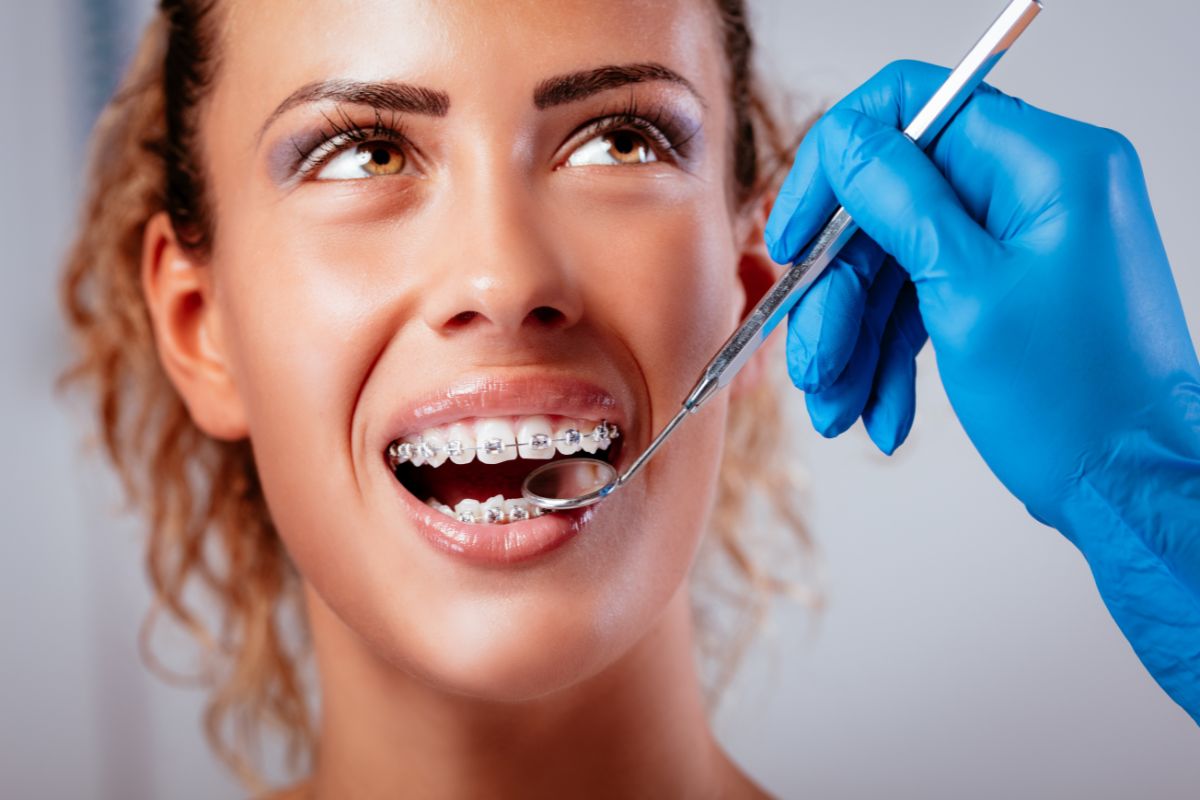
2. Traditional Braces
Effective for complex alignment issues.
3. Ceramic Braces
Less noticeable than metal braces.
A personalized evaluation determines the most effective solution.
Also Read: Clear Braces vs Metal Braces: Which Is Right for You?
Orthodontic Care in Bel Air, MD
If you’re experiencing any of these signs, a consultation can provide clarity and peace of mind.
At Dr. Joseph LaPonzina Orthodontics, patients from Bel Air and nearby communities receive comprehensive orthodontic evaluations focused on both function and aesthetics.
An orthodontic assessment typically includes:
- Digital imaging
- Bite evaluation
- Tooth alignment analysis
- Discussion of treatment options
This process helps determine the right path toward a healthier, more confident smile. If you’d like to get started, contact us now and we’ll help schedule your visit.
Ready to Take the Next Step?
If you’ve been wondering when to see an orthodontist, the answer may be sooner than you think.
Even minor alignment concerns can become larger problems if ignored.
Scheduling an evaluation can help you:
- Prevent future dental complications
- Improve bite comfort
- Enhance your smile confidence
Book a consultation with Dr. Joseph LaPonzina Orthodontics in Bel Air, MD today and take the first step toward a straighter, healthier smile.
Your future smile will thank you.
Frequently Asked Questions
How do I know if I need crooked teeth treatment?
Signs include overlapping teeth, spacing issues, bite discomfort, difficulty chewing, or frequent jaw pain. An orthodontic evaluation confirms whether treatment is needed.
At what age should someone see an orthodontist?
Orthodontists often recommend an initial evaluation around age 7. However, teens and adults can also benefit from treatment at any stage of life.
Is orthodontic treatment only for cosmetic purposes?
No. Alignment correction improves oral health by making teeth easier to clean, reducing uneven wear, and improving bite function.
How long does orthodontic treatment usually take?
Treatment timelines vary depending on the complexity of the alignment issue. Some cases take 6–12 months, while others may take longer.
Do crooked teeth get worse over time?
In many cases, yes. Teeth can gradually shift due to age, bite pressure, and jaw changes, which is why early evaluation is helpful.
Is orthodontic treatment painful?
Patients may experience mild pressure when adjustments are made, but modern orthodontic techniques are designed to minimize discomfort.
Can orthodontic treatment help with jaw pain?
If jaw pain is related to bite misalignment, orthodontic correction can help reduce strain on the jaw joints.